Agriculture
Pigeon Peas: Uses, Varieties, Quality Grades, and Bulk Sourcing Guide
A practical guide to pigeon peas, toor and arhar for food businesses, millers, importers and procurement teams.
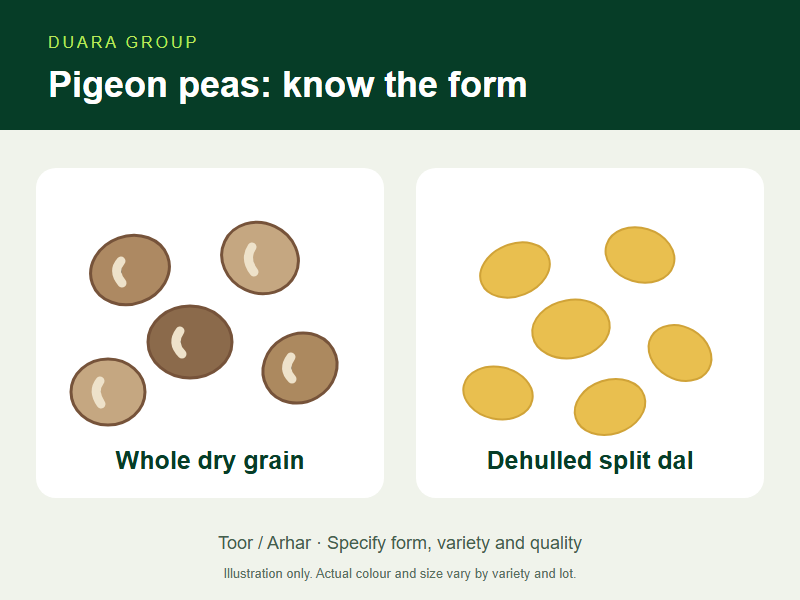
Table of Contents
Pigeon peas are the edible seeds of Cajanus cajan, a legume also called toor, arhar or red gram. Buyers usually need to distinguish whole dry grain from dehulled split pigeon peas, commonly sold as toor dal or arhar dal. The first sourcing decision is the form and intended use, followed by quality, packaging and destination requirements.
Duara Group's pigeon peas product page supports inquiries from local and international food businesses. The guidance below explains what to specify, without claiming that a particular cultivar, origin or grade is permanently available.
What are pigeon peas?
Pigeon pea is a food legume in the Fabaceae family. CGIAR describes its use for human food, fodder and green manure, and its importance in semi-arid farming. Those crop-level uses are distinct from the acceptance requirements for a shipment of dry food grain.
Whole pigeon peas retain the seed coat. Dehulling removes that coat, and splitting separates the seed into cotyledons. These operations change appearance, cooking behaviour and the defects a buyer should measure. Pigeon peas are also distinct from dry peas and chickpeas, so the common word peas should not substitute for a botanical or commercial product definition.
Common varieties and commercial forms
Variety and form answer different questions. A cultivar identifies a breeding or local variety, while whole, split, dehulled and polished describe preparation. Seed-coat colour, seed size, maturity class and cooking characteristics can vary within the crop.
| Type or form | What it describes | What buyers should confirm |
|---|---|---|
| Whole dry grain | Seed coat retained | Colour, size, purity, damage limits and cooking or milling performance |
| Dehulled split dal | Processed cotyledons, commonly yellow | Colour uniformity, fragments, powder, residual skin and cooking quality |
| Polished or unpolished dal | Surface finish after processing | Permitted treatment, declared ingredients where applicable and buyer preference |
| Named cultivar | Varietal identity rather than a processing grade | Whether identity is required and how it will be substantiated |
Examples documented by ICRISAT include ICEAP 00850 and ICEAP 00936 in Kenya and Mwaiwathu Alimi (ICEAP 00557) in Malawi. ICAR-IARI describes Pusa Arhar 16, Pusa Arhar 2017-1, Pusa Arhar 2018-2 and Pusa Arhar 2018-4 among its developed varieties. These are educational examples, not a Duara Group availability list or a recommendation to plant them outside their approved environments.
Early-, medium- and late-maturing types describe agricultural development and cropping suitability. They do not automatically define a food-trade grade. Fresh green vegetable pigeon peas also require a different product and handling brief from the dry grain discussed here.
Nutritional, food and commercial uses
Pigeon peas contribute plant protein and carbohydrate to food preparations. Nutritional composition varies with cultivar, growing conditions, processing and whether the result refers to dry grain or a cooked portion. A general crop description is not a nutrition-label analysis for an offered lot.
Whole grain can be used in cooked dishes and food processing. Split dal is used in soups, curries and other prepared foods, as described by ICAR-IARI. Wholesalers, retail packers, millers, caterers and institutional kitchens may therefore request different forms and quality checks. A miller may focus on dehulling and split yield, while a retail packer may place more emphasis on appearance and uniformity.
Keep food, feed and planting-seed uses separate. Grain sold for food is not automatically suitable as certified seed, and feed use needs its own nutritional and safety assessment. Buyers comparing other pulses can review lentils, cowpeas and dry beans.
Pigeon peas in African agriculture
CGIAR identifies Kenya, Tanzania and Malawi among pigeon pea producing countries. ICRISAT's Eastern and Southern Africa work addresses varietal development and seed systems, including vegetable-type and earlier-maturing material. This is evidence of the crop's regional agricultural relevance, not confirmation of the source or harvest behind a trader's offer.
Pigeon peas can be part of intercropping systems, as described in agricultural research and extension guidance. Farmers need locally appropriate agronomy, seed choice and market access; climate tolerance should not be read as a guarantee of yield or immunity to drought and disease. For commercial sourcing, confirm crop year, source traceability and actual lot condition rather than inferring quality from the producing country.
Quality grades and acceptance criteria
A meaningful grade names the applicable standard or buyer specification and its edition, with measurable acceptance limits. Terms such as premium, machine-cleaned or export quality are incomplete without those details. CBI's pigeon pea market-entry guide explains that buyer preferences and destination requirements differ; there is no single global label that guarantees identical quality in every market.
- Identity and uniformity: whole or split form, colour, screen size and any cultivar requirement.
- Moisture: an agreed maximum and test method, with the sampling point identified.
- Foreign matter: stones, plant debris, other grain and other extraneous material.
- Defects: broken, shrivelled, heat-damaged, discoloured or insect-affected seeds. Intentional split dal needs different criteria from broken grain in a whole-grain lot.
- Food safety: applicable residue, contaminant and microbiological requirements, supported by relevant testing and traceability.
- Performance: cooking, hydration or milling trials when important to the buyer's process.
Agree representative sampling, lot identification, inspection and how discrepancies will be resolved. A pre-contract sample can support approval, but the shipment still needs to match the contracted specification. No universal moisture limit, grade guarantee or lot assay is offered in this article.
Packaging, international trade and bulk procurement
Specify clean food-contact packaging, net weight, liner, closure, lot coding and destination labels. Bags, larger bulk packs and loading formats should be agreed with the source rather than assumed available. Plan dry, odour-free storage and transport, pest controls and suitable container preparation.
International procurement also depends on harvest timing, sorting and processing costs, exchange rates, freight, border procedures and the destination's current requirements. Clarify the named delivery term and place, who arranges inspection and freight, and which arrival costs remain with the buyer. Benchmark prices or old offers do not establish a current delivered quotation.
The document schedule may include an invoice, packing list, transport document and origin evidence, with phytosanitary, treatment or conformity documents where required. Confirm the actual requirements for the product, origin and destination with the appropriate authorities and advisers before shipment. A certificate must be verified for scope and validity; its existence should not be inferred from an online product description.
What buyers should consider before ordering
- Confirm the intended food or processing use and the required whole/split form.
- Define cultivar or market class only where necessary, then agree quality and defect limits.
- Review a representative sample, supplier specification and available lot-linked results.
- Verify the proposed source, lot traceability, packing and inspection arrangements.
- Compare offers on the same quantity, specification, delivery point, documents and validity period.
- For recurring supply, agree a schedule and approval procedure for source or quality changes.
See the existing Pulses & Legumes category and Agriculture supply pages for related sourcing requirements.
How to request a pigeon peas quotation from Duara Group
Use the pigeon peas quotation form and provide the form, variety or colour class, quality limits, quantity, pack, destination and delivery window. Put inspection, food-safety testing and required documents in the existing specification field. If an item is undecided, identify it as open for discussion.
Duara Group reviews the requirement as a sourcing and supply partner serving local and international buyers. Current availability, country of origin, grade conformance, order quantity, certificates, price and delivery terms are confirmed for the proposed transaction.
Frequently asked questions
Is toor dal the same as whole pigeon peas?
It comes from the same crop, but normally refers to the dehulled split product. Specify the form explicitly so processing and quality requirements are clear.
Does a named variety guarantee a particular grade?
No. Variety identity and consignment quality are separate questions. The lot still needs assessment against the agreed specification.
Can I order planting seed through a food-grain specification?
No. Planting seed requires separate checks for identity, germination, seed health and applicable seed rules. State the intended use at inquiry.
Sources and further reading
Sources checked on 26 October 2026. Cultivar examples and crop uses are background information, not stock, origin or certification claims.
Source with Duara Group
Send Duara Group your required pigeon pea form, variety or market class, quality limits, quantity, packaging, destination and delivery window for sourcing assessment.
Follow Duara Group insights on Google
Related articles
Agriculture
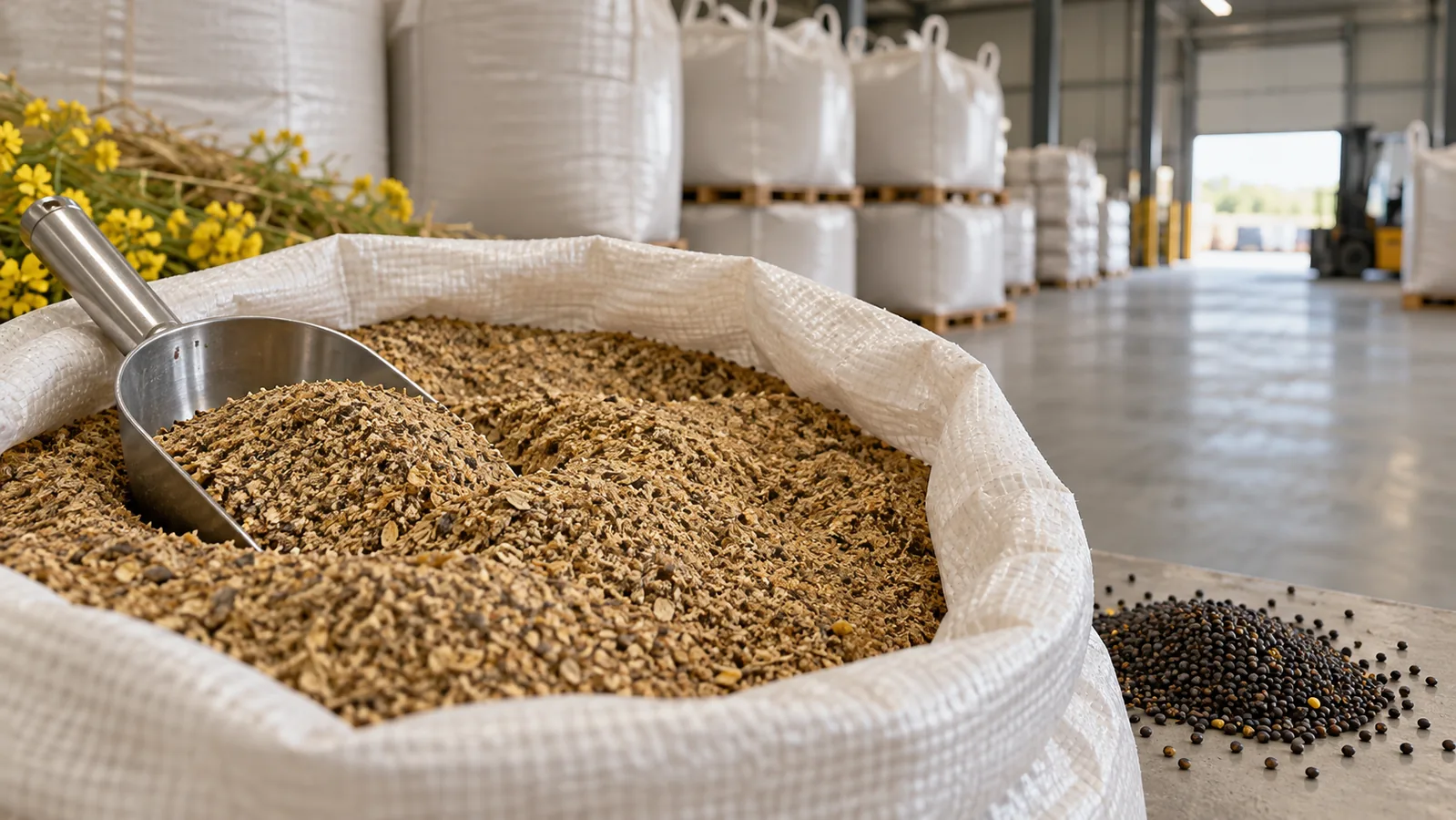
Canola Meal Supply, Sourcing and Bulk Procurement
How animal-feed buyers can define, evaluate and source canola meal without relying on an ambiguous product name or assumed nutrient values.
Agriculture
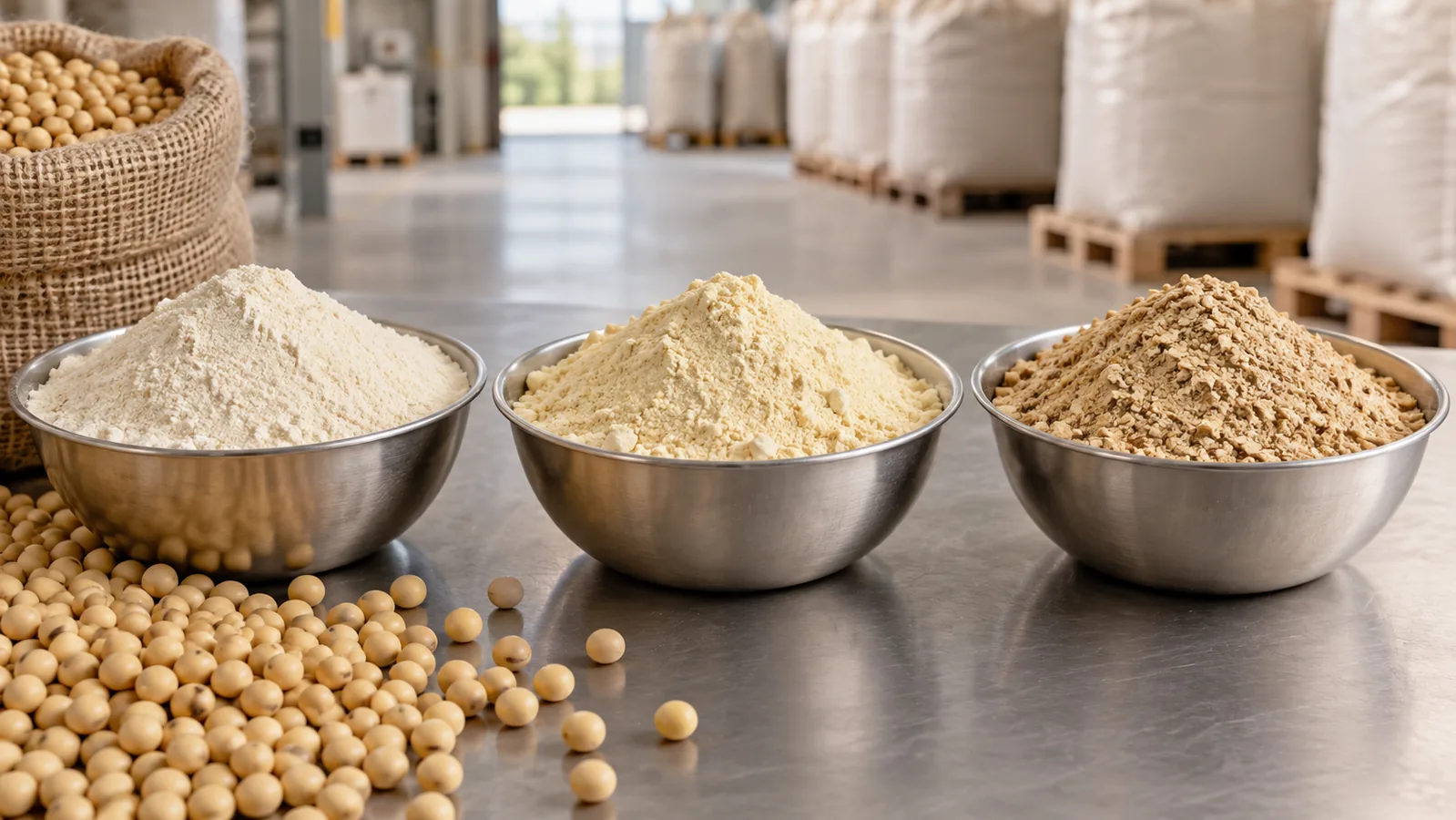
Soya Powder Supply, Sourcing and Bulk Procurement
How buyers can define the exact soybean-derived powder or meal they need before asking suppliers to quote.
Agriculture
Rice Polish: Uses, Quality and Bulk Supply for Animal Feed
A practical buyer's guide to rice polish, from milling and feed use to quality, storage, packaging and commercial sourcing.