Raw Materials & CommoditiesIndustrial Raw Materials
Shea Butter
Shea butter for a specified cosmetic or food application, with refining status, quality, traceability and packing defined.
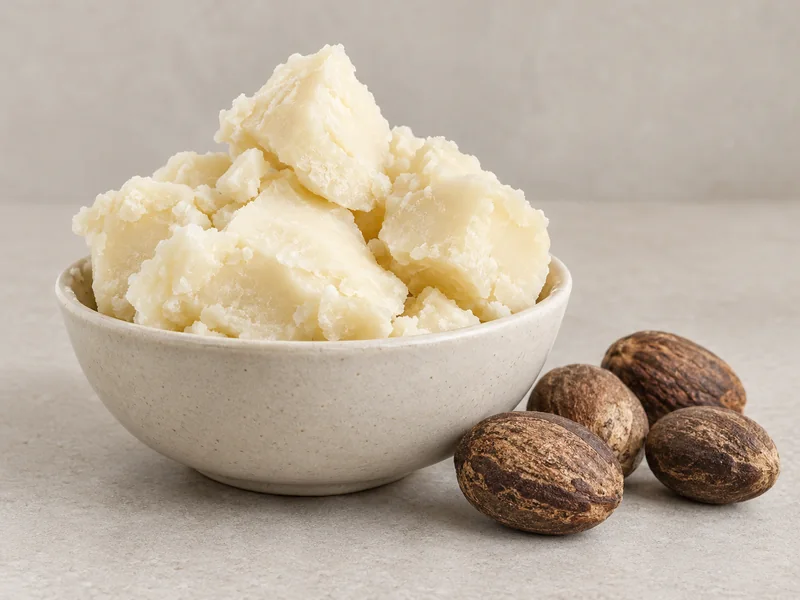
Shea butter is a fat obtained through processing shea kernels. It is not the same commodity as harvested shea nuts, and a nut-producing country should not automatically be described as a butter-manufacturing origin. Unrefined butter, refined material and further fractionated products can meet different buyer requirements. Duara Group reviews intended use, processing, analytical criteria, sensory properties and packing. Food and cosmetic applications require their own suitability evidence. The country directory documents actual processing activity where verified, without claiming confirmed Duara relationships, available inventory or universal certification.
Bulk supply available upon request. Source and supply available upon request.
Pricing Calculator / Build an RFQ
Loading commodity requirements…
Indicative Estimate
Indicative estimate only. Prices are subject to change based on current market conditions, product grade and specifications, crop season, availability, freight, taxes, duties, destination, regulations and final supplier confirmation. This is not a binding quotation.
Prepared in your browser. Your request is shared when you send it in WhatsApp.
Shea Butter buying guide
Kernels, butter and downstream fractions
Make clear that the purchase is shea butter rather than nuts, kernels or a downstream fraction. The place where kernels are harvested may differ from the crushing, refining and packing locations. Ask for traceability that identifies the relevant steps. Unrefined, refined and fractionated material should not be substituted without buyer approval. A country record of shea-nut output does not prove butter manufacture, and a processor's theoretical capacity does not establish current production. The directory therefore distinguishes documented processing from assumptions based on a raw crop or an exporter listing.
Refining status and sensory specification
Specify whether refining, deodorising or another process is required or restricted, and obtain the actual manufacturing description. Unrefined material can have a different colour and odour profile from a refined ingredient, so agree acceptance against a representative sample and the intended formulation. Texture and melting behaviour should be assessed in the buyer's process rather than reduced to an unsupported premium grade label. A photograph cannot prove processing status, consistency or suitability. Any change in the proposed process or ingredient should follow the agreed approval procedure.
Food and cosmetic requirements
A cosmetic ingredient specification does not automatically establish edible status. Food users need appropriate product, processor and handling evidence for the intended market, while cosmetic formulators need the ingredient and quality documentation relevant to their finished product. Agree the analytical checks, methods and limits with the technical team. Identity, quality, contaminants and other application-specific criteria should refer to the actual lot where required. No medicinal effect, universal skin benefit, certification or particular analytical result is promised by this procurement guide.
Formulation trials and consistency
Manufacturers should test representative material in their own formulation or processing conditions and define the acceptance criteria that matter to performance. If a particular colour, odour, texture or processing response is important, include it in the commercial brief and sample approval. A blended or fractionated fat needs an explicit identity and ingredient declaration rather than being assumed equivalent to whole shea butter. Retain traceability between the approved sample and the offered lot, and agree how a change in source, process or specification will be communicated before supply.
Packing and storage through the proposed route
Confirm the physical delivery form, suitable contact liner or container, net contents, closure, lot coding and pallet configuration. Protect the product from contamination, odour transfer and inappropriate handling conditions according to the actual manufacturer's instructions. Review how temperature changes may affect the pack and handling, without treating a generic melting description as a guaranteed shipping tolerance. Ask for the offered product's shelf-life and storage basis. Raw-nut harvest dates and a processing-country claim do not establish the manufacture or packing date of a particular butter lot.
A useful shea-butter inquiry
Provide intended application, unrefined or refined status, any fractionation requirement, ingredient identity, sensory and analytical criteria, sample-approval needs, quantity, pack and destination. Include customer documentation, traceability and any certification scope requested. Duara reviews an actual manufacturer, product and practical route against that brief. Documented shea-butter production is background evidence, not a promise of stock, food-grade status, a supplier relationship or identical quality from every listed country. Confirm the final specification before placing a commercial order.
Documented Production by Country
These are documented examples of shea butter cultivation or processing. Named operators are evidence of activity, not Duara partners. Undated statements are labelled as such; no national quantities, certifications or availability are inferred. Global country coverage remains partial.
These are dated production or manufacturing records, not a list of Duara suppliers or confirmed delivery destinations. The directory covers the evidence verified so far; it does not claim an exhaustive list of all producing countries.
Shea Butter in Ghana
A Ghana Free Zones Authority report published in February 2026 describes an April 2025 visit to operating shea-butter processing at Bunge Loders Croklaan in Tema. This supports processing rather than merely shea-kernel harvesting.
Grade, origin, packaging and order quantity are agreed per consignment. We do not publish stock or origin claims.
Typically supplied asUnrefined shea butter, Refined shea butter, Bulk blocks or packed butter, Fractionated requirements assessed separately
Grades and varietiesConfirmed on inquiry
PackagingConfirmed on inquiry
Minimum order quantityConfirmed on inquiry
Country of originConfirmed on inquiry
Certification and documentationConfirmed on inquiry
Confirm when you enquire
Tell us the following and we will come back with availability, packaging and a quotation.
radio_button_uncheckedIntended food or cosmetic use
radio_button_uncheckedRefining and fractionation status
radio_button_uncheckedIngredient identity and traceability
radio_button_uncheckedColour and odour acceptance
radio_button_uncheckedQuality and analytical criteria
radio_button_uncheckedTexture and application performance
radio_button_uncheckedContact packaging and net contents
radio_button_uncheckedQuantity and destination
Applications
checkCosmetic formulators
checkPersonal-care manufacturers
checkIngredient distributors
checkFood processors subject to appropriate specification
Frequently asked questions
Can shea-nut production be reported as shea-butter production?
No. Harvesting kernels and manufacturing butter are separate activities and require separate evidence.
Is cosmetic shea butter automatically food grade?
No. Food use needs explicitly agreed suitability and evidence for the actual product, processor and handling chain.
Can refined butter replace unrefined butter?
Only with buyer approval after assessing the processing, sensory and application requirements.
What matters when comparing bulk offers?
The actual ingredient and processing status, quality and analytical basis, application approval, net contents, contact pack, traceability and storage evidence.