Molasses for a defined food, feed or industrial application, with source, solids basis and handling specified.
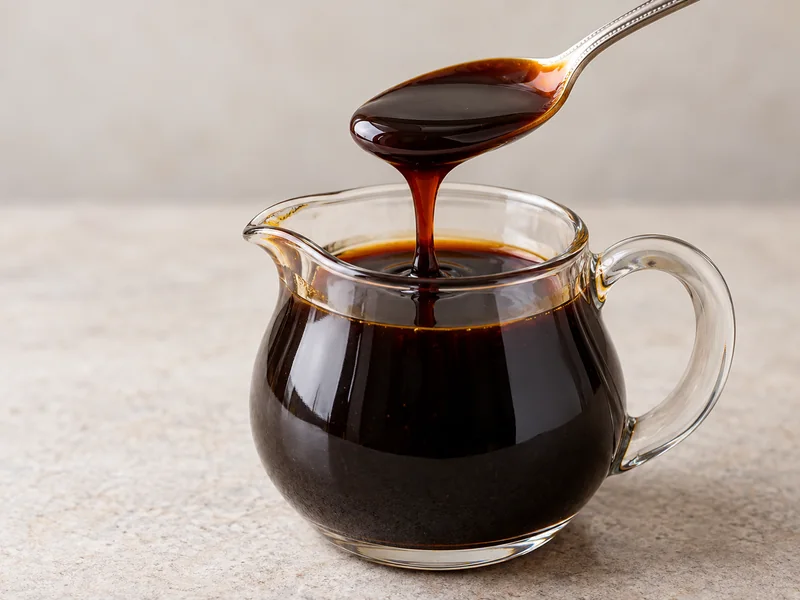
Molasses is a viscous sugar-processing stream traded for distinct food, feed, fermentation and other industrial applications. Cane and beet origin, process stage and composition can affect its suitability, so the product name alone is not a complete specification. A food-grade requirement must be stated explicitly and supported by the proposed processor's documentation. Duara Group reviews the intended application, quality criteria, packing or bulk-transfer requirements and destination. Sugar-crop cultivation or general sugar exports do not prove local molasses manufacture or a confirmed Duara supply route.
Bulk supply available upon request. Source and supply available upon request.
Pricing Calculator / Build an RFQ
Loading commodity requirements…
Indicative Estimate
Indicative estimate only. Prices are subject to change based on current market conditions, product grade and specifications, crop season, availability, freight, taxes, duties, destination, regulations and final supplier confirmation. This is not a binding quotation.
Prepared in your browser. Your request is shared when you send it in WhatsApp.
Molasses buying guide
Origin, processing stage and grade boundaries
Identify whether the molasses is derived from cane or beet processing and obtain the offered product's manufacturing description. Terms such as blackstrap should be connected to an actual specification rather than treated as universal composition guarantees. Food, feed and industrial grades are not automatic substitutes. A fermenter may have a different acceptance basis from a food manufacturer, including how sugar content and other constituents affect the process. Records of sugarcane growing, sugar refining or molasses consumption do not alone establish local manufacture of the offered molasses.
Composition and laboratory reporting
Agree the required solids, sugar and other compositional criteria with the buyer's technical team. Clarify analytical methods, units and reporting basis before comparing figures from different suppliers. A concentration indicator should not be treated as an exact measure of every fermentable component. Where ash, acidity, mineral content or contaminants matter, include the appropriate tests and acceptance limits for the actual application and destination. Ask for lot-specific documentation where required. No numerical composition, purity or contaminant result is promised by the general product description on this page.
Application-specific approval
Food manufacturers need evidence that the proposed product and handling chain meet their food-ingredient requirements; a general industrial supply description is insufficient. Feed users should define species-appropriate formulation and regulatory requirements through their qualified technical process. Fermentation users should assess the material against the actual organism and process rather than assuming that all dark syrup performs equally. A representative sample, trial approval and change-control process can prevent comparisons based only on appearance. Duara does not infer a grade or end-use suitability from the country-production directory.
Viscosity, transfer and container compatibility
Molasses handling depends on the actual product's viscosity and conditions at loading and unloading. Confirm transfer arrangements with the proposed producer and receiver, including suitable pumps, connections, clean-contact surfaces and the container's compatibility. Do not assume that every liquid tank or a food-labelled drum is suitable without reviewing its history and specification. Agree any controlled handling conditions through the operator's documented process. The quotation should identify who provides unloading equipment and how residual material, net contents and receiving measurements will be assessed.
Packing, storage and traceability
Packaged and bulk liquid purchases need clear net contents, container specification, seal and lot identification and storage instructions. Review protection from contamination, water ingress and inappropriate previous cargoes or contact materials. Obtain the proposed product's shelf-life or storage-stability basis and consider the actual distribution route. A crop season is not a manufacturing date for a particular molasses lot. The buyer should define receiving sampling, document checks and the procedure for nonconforming material before shipment, including how the lot remains traceable through any intermediate storage or transfer.
What to send for a molasses quotation
Provide cane or beet preference, intended application, grade requirements, analytical criteria and reporting methods, volume, packaged or bulk form and destination. Include transfer equipment, receiving facilities, schedule, testing and customer-document requirements. State whether a sample or manufacturing trial must be approved before a commercial order. Duara assesses an actual processor, product and route against the brief. The country directory identifies documented production activity; it does not imply available tonnage, food-grade status, a supplier partnership or guaranteed delivery from any listed country.
Documented Production by Country
These are documented examples of molasses cultivation or processing. Named operators are evidence of activity, not Duara partners. Undated statements are labelled as such; no national quantities, certifications or availability are inferred. Global country coverage remains partial.
These are dated production or manufacturing records, not a list of Duara suppliers or confirmed delivery destinations. The directory covers the evidence verified so far; it does not claim an exhaustive list of all producing countries.
Molasses in Kenya
The FY 2024–25 group disclosure identifies molasses as a product of Kibos sugar milling in Kisumu, used by its distillery. It supports actual manufacture, without establishing national output, food grade or export availability.
Grade, origin, packaging and order quantity are agreed per consignment. We do not publish stock or origin claims.
Typically supplied asCane molasses by specification, Beet molasses where requested, Packaged liquid, Bulk liquid requirements
Grades and varietiesConfirmed on inquiry
PackagingConfirmed on inquiry
Minimum order quantityConfirmed on inquiry
Country of originConfirmed on inquiry
Certification and documentationConfirmed on inquiry
Confirm when you enquire
Tell us the following and we will come back with availability, packaging and a quotation.
radio_button_uncheckedCane or beet and process identity
radio_button_uncheckedFood, feed or industrial application
radio_button_uncheckedSolids and sugar reporting basis
radio_button_uncheckedComposition and test requirements
radio_button_uncheckedViscosity and transfer conditions
radio_button_uncheckedContaminants and lot traceability
radio_button_uncheckedContainer or bulk compatibility
radio_button_uncheckedQuantity and destination
Applications
checkFood manufacturing where suitable
checkAnimal-feed manufacture where suitable
checkFermentation processors
checkIndustrial users with defined specifications
Frequently asked questions
Can feed-grade molasses be supplied as food grade?
Not automatically. Food use requires an explicitly agreed specification and evidence for the actual processor, product and handling chain.
Does sugarcane output prove molasses manufacture?
No. Crop production, sugar manufacture, molasses manufacture and consumption are separate evidence questions.
Can solids readings be compared without a method?
No. Agree the analytical method, units and reporting basis, and identify the compositional measures relevant to the actual application.
What matters for bulk unloading?
The actual product's handling conditions, compatible equipment and container, clean-contact requirements, connections, net-content measurements and receiving arrangements.