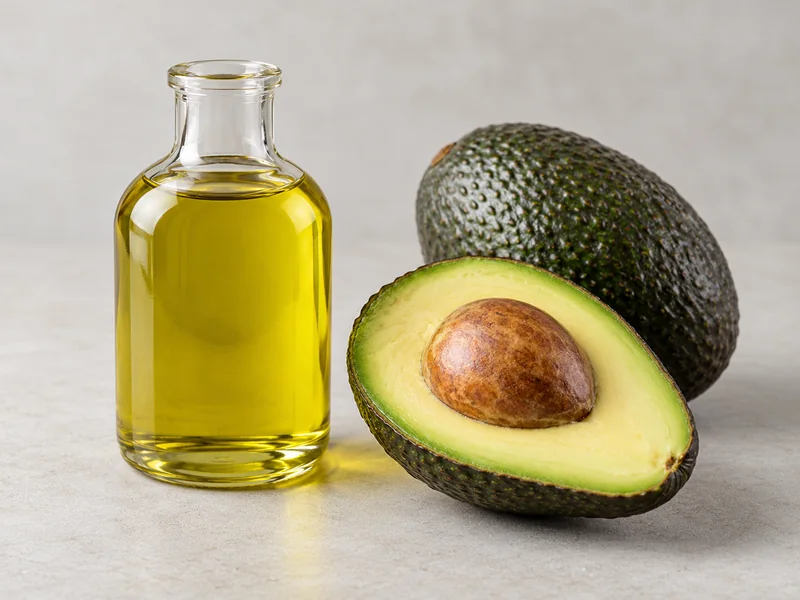
Avocado oil by food or cosmetic application, extraction and refining status, authenticity and packing requirements.
Avocado oil is a processed oil product, distinct from fresh avocados and from other oils sold for similar applications. Food and cosmetic buyers may require different documentation, quality attributes and handling chains. Extraction and refining status, ingredient identity and the offered product's analytical specification should be clear before price comparison. Duara Group reviews those requirements alongside packing, volume and destination. Avocado-growing statistics do not prove oil extraction or refining in a country, and the documented processing origins here are not a list of confirmed Duara suppliers.
Bulk supply available upon request. Source and supply available upon request.
Pricing Calculator / Build an RFQ
Loading commodity requirements…
Indicative Estimate
Indicative estimate only. Prices are subject to change based on current market conditions, product grade and specifications, crop season, availability, freight, taxes, duties, destination, regulations and final supplier confirmation. This is not a binding quotation.
Prepared in your browser. Your request is shared when you send it in WhatsApp.
Avocado Oil buying guide
Oil identity and intended application
State whether the purchase is for food, cosmetics or another defined application. A cosmetic ingredient is not automatically suitable as edible oil, and food status alone does not establish performance in a cosmetic formulation. Request the complete ingredient declaration and clarify whether the offer is pure avocado oil or a blend. Fresh avocado origin, extraction location, refining location and final packing origin can differ. Traceability should distinguish those activities instead of treating a crop-production country as proof of every processing step.
Extraction and refining descriptions
Ask the proposed processor to define extraction and any refining, deodorising or other processing relevant to the offered oil. Terms such as cold pressed, virgin, extra virgin or premium should be supported by a documented meaning and the applicable specification; do not assume that all suppliers use them identically. Unrefined and refined oils can differ in appearance, odour and application requirements. A buyer should select the form for its recipe or formulation and approve any processing change rather than substituting solely on price or an origin reputation.
Quality, authenticity and analytical checks
Agree the analytical programme appropriate to identity, quality and the destination market. Oxidation-related measures, composition and contaminant checks may be relevant, but their methods, limits and reporting basis belong in the actual specification. Colour alone cannot prove purity, freshness or extraction method. Obtain representative samples and suitable lot documentation, and define who approves the results. No particular fatty-acid profile, stability result, certification or universal cooking performance is claimed by this page. Any authenticity concern needs evidence for the proposed product rather than a marketing description.
Manufacturing and retail requirements
A food manufacturer should assess the oil in its own formulation and process, including flavour, appearance and labelling needs. A cosmetic formulator should define the required ingredient documentation and performance criteria for its product. Retail programmes need a clear fill quantity, container, closure, label and traceability system. These channels should not share an assumed specification merely because the base ingredient name is the same. Blended, flavoured or otherwise formulated oil requires an explicit ingredient declaration and a separate product specification.
Packing, storage and oxidation protection
Confirm container-contact compatibility, closure integrity, net contents, lot coding and the product-specific storage instructions. Review protection against oxygen exposure, light, contamination and adverse handling conditions through the proposed route. Bulk, drum and retail-bottle formats need different receiving and transfer arrangements. Ask for the actual product's shelf-life basis rather than promising a fixed duration or temperature tolerance for every avocado oil. Extraction, refining and packing dates should be understood where relevant to traceability and acceptance; a fruit harvest statistic does not establish those dates.
Preparing an avocado-oil procurement brief
Provide intended use, pure-oil or blend requirement, extraction and refining status, analytical and authenticity criteria, sensory requirements, quantity, pack and destination. Include sample or formulation approval, ingredient documentation, label requirements and any certification scope requested. Duara assesses the actual processor and route separately. Country evidence identifies documented oil manufacture, not available export inventory, confirmed Duara partnerships or a guarantee that each origin offers the same grade, pack or application suitability.
Documented Production by Country
These are documented examples of avocado oil cultivation or processing. Named operators are evidence of activity, not Duara partners. Undated statements are labelled as such; no national quantities, certifications or availability are inferred. Global country coverage remains partial.
These are dated production or manufacturing records, not a list of Duara suppliers or confirmed delivery destinations. The directory covers the evidence verified so far; it does not claim an exhaustive list of all producing countries.
Avocado Oil in Kenya
CBI’s January 2026 industry review identifies Olivado EPZ in Kenya as an avocado-oil producer. The record supports oil manufacture, not every edible or cosmetic grade or a Duara supplier relationship.
Grove describes avocado-oil extraction and bottling in its New Zealand operation at Tauranga in the Bay of Plenty. This is processor evidence rather than an inference from avocado-fruit production.