Copper and aluminium conductor options
These are industry conductor choices to specify in an enquiry, not verified stock configurations. Compare electrical sizing, weight, termination compatibility and the proposed supplier construction.
Armoured electrical power cables include a protective metallic layer for installation routes exposed to mechanical stresses.
Duara Group handles armoured cable procurement for industrial power distribution, commercial developments and infrastructure projects in Kenya and East Africa. In common designs, insulated conductors are surrounded by bedding, metallic armour and an outer sheath. This additional layer distinguishes armoured cable from non-armoured cable, but does not by itself establish suitability for burial, water, sunlight or a particular circuit. Conductor material, core arrangement and every performance requirement must be agreed for the proposed supply.
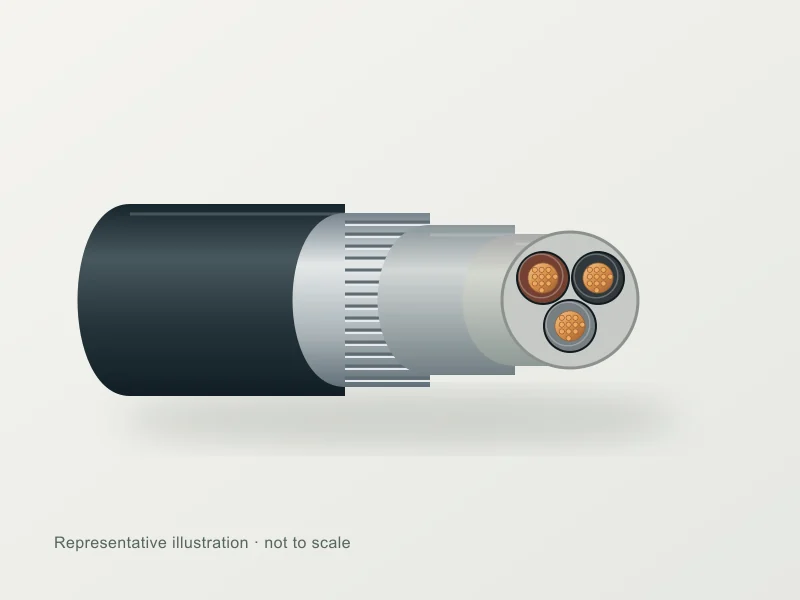
These are general cable construction options for specification discussions. The configuration, materials and performance of the proposed supply must be confirmed in the quotation; this list does not establish available sizes or stock.
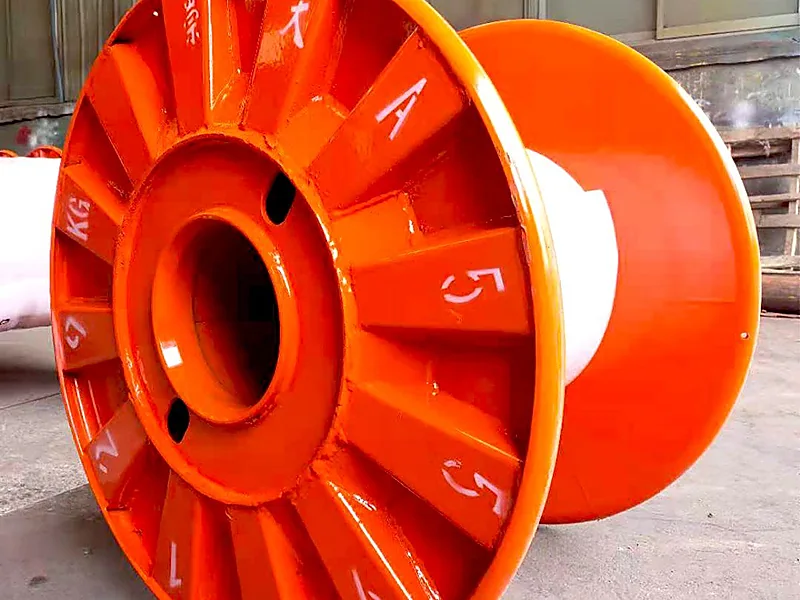
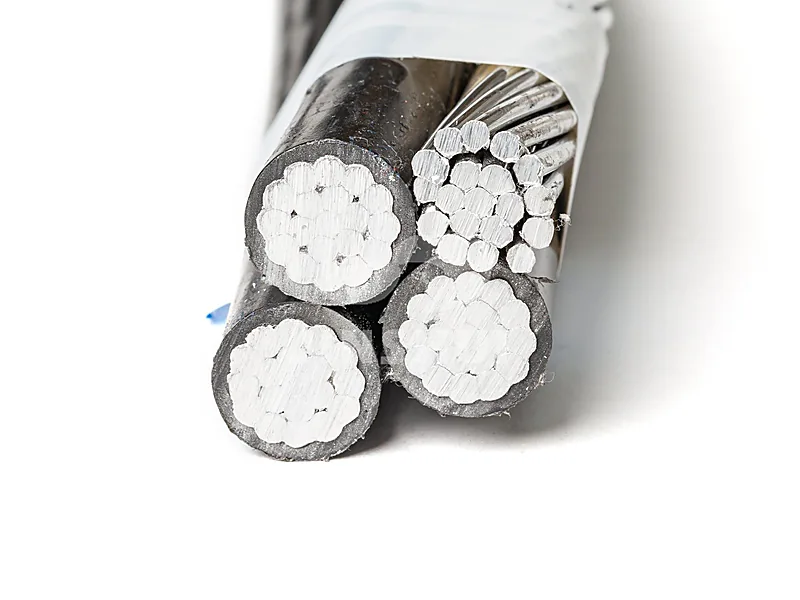
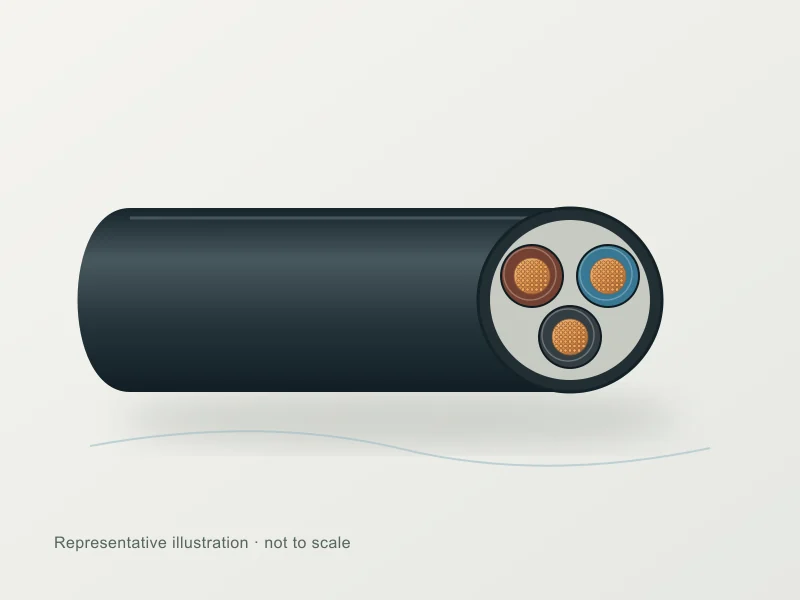
These are industry conductor choices to specify in an enquiry, not verified stock configurations. Compare electrical sizing, weight, termination compatibility and the proposed supplier construction.
Single-core designs carry one insulated power conductor; multicore designs combine several within a common cable. Specify the circuit arrangement and any neutral or protective conductors instead of assuming a core count.
Steel wire armour is common on multicore cables. Single-core AC installations generally require appropriate non-magnetic armour such as aluminium to manage induced heating; the engineer must approve the complete arrangement.
Armour provides additional mechanical protection. It adds weight and termination requirements, while non-armoured cable relies on its sheath and any external containment appropriate to the installation.
No product-specific sizes, ratings or packaging have been documented for this cable. Request a supplier datasheet against the fields below before approving a quotation.
| Parameter | What to define |
|---|---|
| Conductor and cores | Specify copper or aluminium, nominal area and single-core or multicore arrangement; no size or core-count range is confirmed. |
| Layer construction | Request the insulation, bedding, armour and sheath details. PVC and XLPE are general insulation examples, not confirmed supplied variants. |
| Environmental suitability | Confirm burial or duct suitability, water exposure, corrosion risks and UV performance against the exact cable and accessories. |
| Electrical and installation data | Request the voltage designation, current-capacity basis, fault-duty data, bend radius, pulling limits and matching termination requirements. |
Duara Group coordinates cable sourcing, procurement and distribution for Kenya, East Africa and international buyers. We do not manufacture cables. Producer, origin, quantities and delivery arrangements are confirmed for each enquiry.
No product certification, voltage rating, current rating, fire rating or temperature limit is claimed here. A qualified project designer must assess the proposed cable and applicable installation requirements.
Describe direct burial, ducts, trays or exposed runs, soil conditions, crossings and external loads. Armour reduces some mechanical risks but cannot replace the project assessment of cover, separation, containment and water conditions.
Glands, joints and bonding must suit the cable, armour and environment. Do not assume armour is an adequate protective conductor: the designer must verify fault capacity and continuity or specify a separate protective conductor. Aluminium power conductors also need compatible connection systems.
Issue the same conductor, core arrangement, insulation, armour, sheath, route lengths and acceptance requirements to each proposed supplier. Request a construction drawing and datasheet so apparently similar armoured products are compared on the approved specification.
Specifications vary by manufacturer and configuration. Confirm the points below when you enquire and we will quote against them.
No. Burial suitability depends on the full cable construction, environment and installation design, not simply the presence of armour. Confirm the supplier designation and route protection.
Single-core AC circuits need particular attention to induced heating in metallic armour and fittings. Suitable non-magnetic armour is commonly used; the final selection must be approved by the project engineer.
Only if the designer verifies its fault-duty capacity, continuity and bonding arrangement. Some installations require an additional protective conductor.
No fixed conductor, size or core-count range is documented here. Include your required configuration and ask for a supplier-confirmed proposal.
Send circuit duty, conductor and core schedule, installation method, route lengths, armour and sheath requirements, accessories, drum requirements and destination.
Duara Group supplies armoured cables to commercial, industrial and institutional buyers across East Africa, including Kenya, Uganda, Tanzania, Rwanda and Ethiopia, alongside internationally sourced procurement.
Generation, solar and distribution equipment is supplied to commercial, industrial and institutional sites across the region.
Availability, origin and documentation are confirmed per inquiry.
Glands, terminations, trays, ladders and reticulation components.
Submersible pump cables connect submerged motors to their electrical supply using cable construction suitable for the specified water environment.
Tell us the specification, quantity and destination and our sourcing team will come back with availability and a quotation.