Agriculture
Sunflower Seeds: Types, Uses and Commercial Supply
Oilseed sunflower and confectionery sunflower serve different markets. This guide explains how commercial buyers specify the right seed for processing or food use.
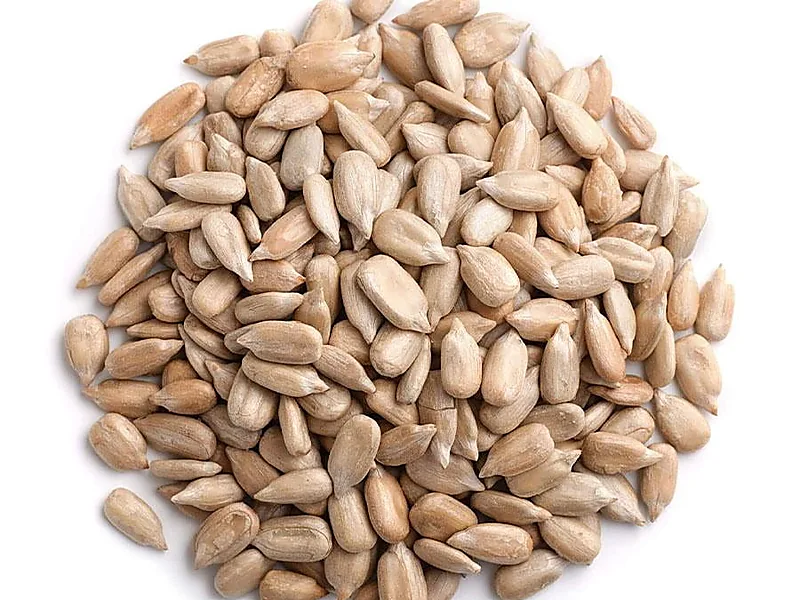
Table of Contents
Sunflower seeds are traded for several distinct end uses, and the intended market should be established before a buyer asks for price. Seed selected for oil extraction is not interchangeable with seed prepared for roasting, snacks or food manufacturing. Variety, physical appearance, processing, purity and documentation can all change the appropriate source and commercial value.
A productive sunflower seed sourcing inquiry therefore begins with the application: crushing, direct human consumption, bakery use, bird feed, planting or another process. This guide focuses on the two main commercial food and processing streams—oilseed sunflower and confectionery sunflower—and the information bulk buyers should specify.
What are sunflower seeds?
Sunflower seeds are the harvested fruits of Helianthus annuus. Each consists of a kernel within a hull. Commercial crops have been bred and selected for different uses. USDA Agricultural Research Service material describes sunflower as a crop developed for distinct oilseed, confectionery and birdseed markets, while USDA inspection guidance treats confectionery seed as a non-oil product.
After harvest, seed may be dried, cleaned, graded, sorted, dehulled, roasted, pressed or extracted depending on the destination. A bulk lot can look acceptable but still be unsuitable if its variety, oil characteristics, kernel size, food-safety status or processing history does not meet the buyer's application.
Main commercial uses
Oil processors crush sunflower seed to recover crude oil, which can then be refined for food or other permitted uses. The remaining meal and hull fractions may have further commercial outlets depending on the plant and local regulations. Confectionery processors handle selected seed for in-shell snacks, kernels, roasting, bakery ingredients, mixes, spreads and other foods. Other markets include bird feed and seed for planting, each with separate specifications.
Planting seed requires varietal identity, germination and phytosanitary controls and should never be assumed to be the same as commodity seed. Food-grade seed similarly requires controls beyond a general commodity description.
Oilseed sunflower
Oilseed sunflower is grown and bought primarily for crushing and oil recovery. Commercial buyers focus on how the seed will perform through intake, preparation, dehulling where used, mechanical pressing and/or solvent extraction. Oil content is economically important, but it varies with genetics, growing conditions, maturity, storage and test method. A buyer should request the current analysis rather than assume a fixed percentage.
Crushing and sunflower oil production
A processing plant typically cleans the seed and may condition, crack, dehull or flake it before oil extraction. The exact sequence depends on the plant. The crude oil may then pass through refining steps appropriate to the target product. Processors evaluate more than theoretical oil yield: moisture, impurities, damaged seed and storage condition can affect throughput, losses and oil quality.
Commercial buying considerations
An oilseed buyer may specify crop year, origin, variety or oil type where relevant, minimum or target oil content using an agreed test method, moisture, foreign matter, admixture, damaged seed, infestation status and prohibited contaminants. Receiving capacity, daily crushing rate and storage space influence shipment size and schedule. Bulk sunflower seeds may move by truck, container, bag or other mode based on infrastructure and distance.
Confectionery and edible sunflower seeds
Confectionery sunflower is intended primarily for direct human consumption or food manufacture. These seeds are commonly selected for larger, visually consistent kernels and hull characteristics suited to in-shell snacking or dehulling. Appearance and usable kernel recovery often matter more than they do in a crushing lot.
In-shell and hulled product
In-shell seed may be cleaned, size-graded, roasted and seasoned. Hulled kernels require dehulling and separation systems that limit broken kernels and hull fragments. Bakeries, snack manufacturers and ingredient packers may specify kernel size, colour, whole-kernel percentage and defect tolerances according to their process.
Food-grade requirements
Edible sunflower seeds require food-grade handling, hygienic processing, traceability and packaging appropriate to the destination market. Depending on the buyer and jurisdiction, the specification may include microbiological criteria, allergen controls, pesticide residues, mycotoxins, heavy metals, treatment declarations or certifications. Requirements must be agreed for the actual contract; they should not be inferred from the words “confectionery grade”.
Oilseed sunflower vs confectionery sunflower
| Buying consideration | Oilseed sunflower | Confectionery sunflower |
|---|---|---|
| Primary use | Crushing and oil extraction | Snacks, roasting and food ingredients |
| Main commercial focus | Recoverable oil, processing performance and delivered crushing value | Size, appearance, flavour, kernel recovery and food quality |
| Typical form | Whole seed delivered to a crushing facility | In-shell graded seed or hulled kernels |
| Key checks | Oil analysis, moisture, foreign matter, damage and admixture | Food safety, size grade, colour, defects, hull fragments and broken kernels |
| Processing | Cleaning, conditioning and extraction | Cleaning, grading, dehulling, roasting or packing |
| Specification basis | Processor requirements and agreed laboratory methods | Finished-product use and destination-market requirements |
These are general distinctions, not universal grades. Some varieties and lots can serve additional markets, but the buyer should approve them against the intended process.
How buyers choose the correct type
Start with the finished product and work backwards. A crusher should state the extraction process, oil and intake criteria, while a snack manufacturer should state whether it needs in-shell seed or kernels, the target size range, appearance and food-safety controls. A trader should obtain the end buyer's specification before committing to a lot.
Ask for a representative sample and current certificate of analysis where the contract requires one. Agree how sampling, testing and weight determination will be performed, which party appoints an inspector, and what happens if results fall outside tolerance. Product descriptions and photographs support review but do not replace sampling.
Quality, cleaning and grading
Common quality considerations include moisture, foreign matter or dockage, admixture of other sunflower types, immature or damaged seed, mould, insect activity, objectionable odour and general cleanliness. USDA confectionery sunflower inspection guidance, for example, assesses factors such as moisture, admixture, seed size, dehulled seed, damaged kernels and odour. Other origins and contracts may use different standards.
Cleaning removes field material and foreign matter. Grading separates seed by physical characteristics relevant to the market. Optical sorting or additional food processing may be required for premium edible uses. Buyers should specify the level of cleaning and grading at quotation stage because raw commodity, cleaned seed and retail-ready food ingredient are different products with different costs.
Moisture, storage and packaging
Moisture influences safe storage, weight and processing performance. The acceptable level depends on the seed type, climate, storage period, contract and destination standard. Excess moisture can encourage heating, mould and quality loss, while careless drying can damage seed intended for food or planting. Use an agreed test method and inspect the condition at loading and receipt.
Store sunflower seed in clean, dry, ventilated facilities protected from pests, water and contamination. Monitor bulk stacks or silos for temperature and moisture migration. Apply lot control and first-in, first-out practices where appropriate.
Packaging options can include woven bags, lined food-grade bags, bulk bags or bulk transport. Confectionery kernels may need stronger moisture and hygiene protection than seed moving directly to a crusher. Specify bag weight, liner, labels, palletisation, container preparation and fumigation or phytosanitary documentation where lawfully required.
Origin, logistics and bulk quantities
Origin affects harvest timing, varieties, logistics routes, documentation and buyer acceptance. It should be disclosed accurately, but origin alone does not prove quality. Evaluate the actual lot and supplier controls. Cross-border sunflower seed supply may require phytosanitary certificates, import permits, certificates of origin or food/feed documents depending on the destination and use.
For commercial quantities, shipment planning should match the receiving site's unloading method and storage capacity. Buyers should provide destination, delivery window, container or truck preferences and whether the order is a single shipment or recurring programme. Transit protection is particularly important for clean edible seed and kernels.
Pricing and seasonal availability
Sunflower seed prices respond to crop size and quality, harvest season, oil and meal markets, demand from crushers and snack processors, competing oilseeds, exchange rates, freight, packaging and regulatory costs. Confectionery premiums may depend on size, appearance and processing yield, while an oilseed lot is often assessed in relation to recoverable oil and crushing economics.
Availability is not constant. Weather, planting decisions, harvest progress, storage stocks and regional trade flows can change offers. A quotation should therefore state its validity period, specification, quantity, packing basis, origin or sourcing basis, delivery term and schedule. Recurring buyers can improve planning by providing forecasts and approving alternative origins or shipment windows in advance.
Commercial sourcing through Duara Group
Duara Group can source and supply sunflower seeds based on the buyer's required type, specifications, quantity and destination, subject to availability. We distinguish oilseed from edible or confectionery requirements at the start of the inquiry and coordinate sourcing around the intended use.
Review our sunflower seed supply page, explore the Nuts & Seeds category, or send a request for quotation. Include whether you need oilseed sunflower, in-shell confectionery seed or hulled kernels, plus the test parameters, packaging, quantity and destination.
Sources and further reading
Source with Duara Group
Looking for sunflower seeds in bulk? Send us the required type, specifications, quantity and destination for a quotation.
Follow Duara Group insights on Google
Related articles
Agriculture
Rice Polish: Uses, Quality and Bulk Supply for Animal Feed
A practical buyer's guide to rice polish, from milling and feed use to quality, storage, packaging and commercial sourcing.