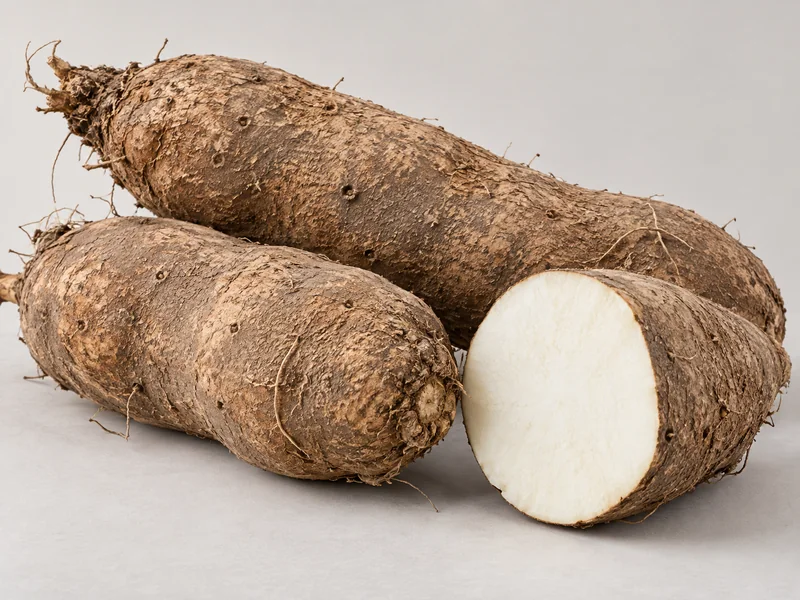
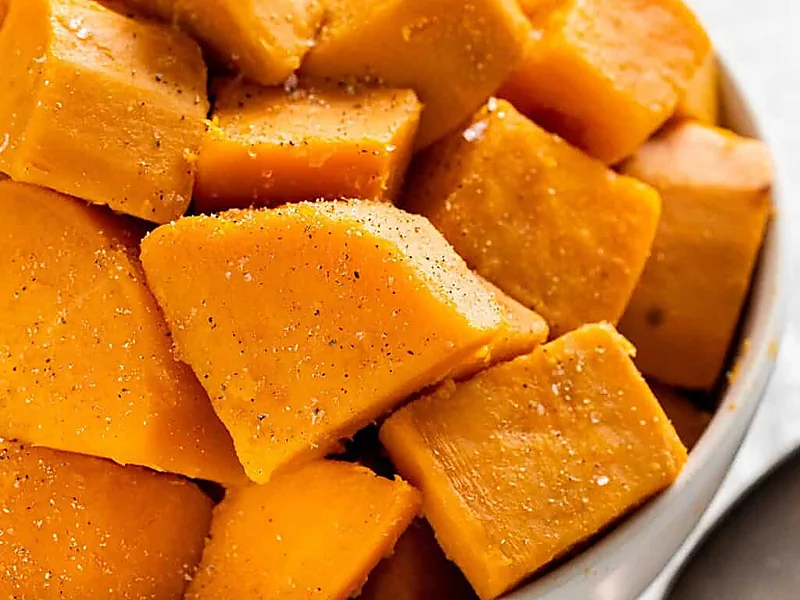
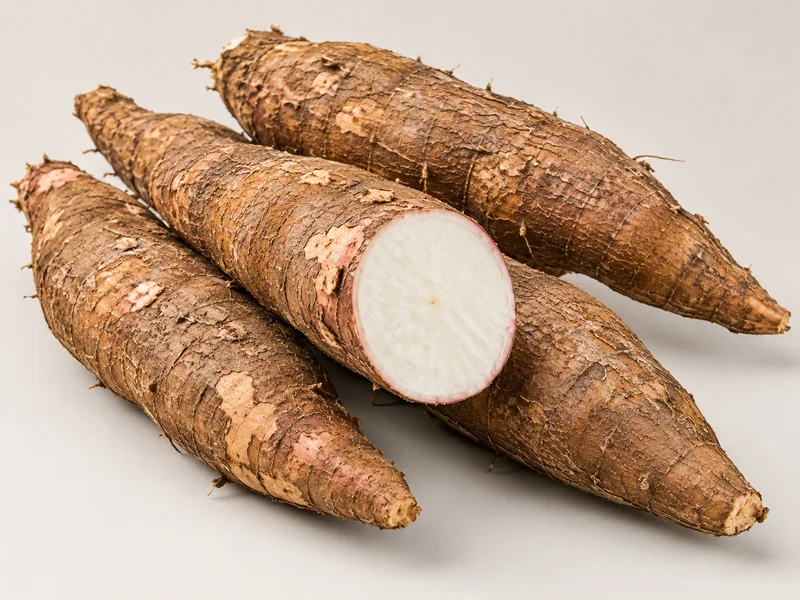
The records below describe yam crop production; not sweet potato production. Quantities are national production statistics for the stated year, not available export quantities or Duara supply capacity. Estimates are labelled; uncorroborated imputed observations are retained internally rather than published as verified production.
These are dated production or manufacturing records, not a list of Duara suppliers or confirmed delivery destinations. The directory covers the evidence verified so far; it does not claim an exhaustive list of all producing countries.
Yams in Antigua and Barbuda
2024 yams production: 146.45 tonnes. FAOSTAT estimate.
Data year: 2024. Evidence checked: 2026-11-01. Food and Agriculture Organization of the United Nations — 2024 production quantities; item, area and flag codes retained
Yams in Belize
2024 yams production: 44 tonnes. Official national figure in FAOSTAT.
Data year: 2024. Evidence checked: 2026-11-01. Food and Agriculture Organization of the United Nations — 2024 production quantities; item, area and flag codes retained
Yams in Benin
2024 yams production: 3,353,473.27 tonnes. Official national figure in FAOSTAT.
Data year: 2024. Evidence checked: 2026-11-01. Food and Agriculture Organization of the United Nations — 2024 production quantities; item, area and flag codes retained
Yams in Bhutan
2024 yams production: 56.44 tonnes. FAOSTAT estimate.
Data year: 2024. Evidence checked: 2026-11-01. Food and Agriculture Organization of the United Nations — 2024 production quantities; item, area and flag codes retained
Yams in Colombia
2024 yams production: 408,943.73 tonnes. Official national figure in FAOSTAT.
Data year: 2024. Evidence checked: 2026-11-01. Food and Agriculture Organization of the United Nations — 2024 production quantities; item, area and flag codes retained
Yams in Congo
2024 yams production: 15,971.31 tonnes. FAOSTAT estimate.
Data year: 2024. Evidence checked: 2026-11-01. Food and Agriculture Organization of the United Nations — 2024 production quantities; item, area and flag codes retained
Yams in Côte d’Ivoire
2024 yams production: 7,660,870 tonnes. Official national figure in FAOSTAT. Dataset area: Côte d'Ivoire.
Data year: 2024. Evidence checked: 2026-11-01. Food and Agriculture Organization of the United Nations — 2024 production quantities; item, area and flag codes retained
Yams in Democratic Republic of the Congo
2024 yams production: 127,840 tonnes. Official national figure in FAOSTAT.
Data year: 2024. Evidence checked: 2026-11-01. Food and Agriculture Organization of the United Nations — 2024 production quantities; item, area and flag codes retained
Yams in Dominica
2024 yams production: 14,021.67 tonnes. FAOSTAT estimate.
Data year: 2024. Evidence checked: 2026-11-01. Food and Agriculture Organization of the United Nations — 2024 production quantities; item, area and flag codes retained
Yams in Dominican Republic
2024 yams production: 54,514 tonnes. Official national figure in FAOSTAT.
Data year: 2024. Evidence checked: 2026-11-01. Food and Agriculture Organization of the United Nations — 2024 production quantities; item, area and flag codes retained
Yams in Fiji
2024 yams production: 5,822 tonnes. Official national figure in FAOSTAT.
Data year: 2024. Evidence checked: 2026-11-01. Food and Agriculture Organization of the United Nations — 2024 production quantities; item, area and flag codes retained
Yams in Gabon
2024 yams production: 229,931.7 tonnes. FAOSTAT estimate.
Data year: 2024. Evidence checked: 2026-11-01. Food and Agriculture Organization of the United Nations — 2024 production quantities; item, area and flag codes retained
Yams in Grenada
2024 yams production: 250.84 tonnes. Official national figure in FAOSTAT.
Data year: 2024. Evidence checked: 2026-11-01. Food and Agriculture Organization of the United Nations — 2024 production quantities; item, area and flag codes retained
Yams in Haiti
2024 yams production: 21,831.94 tonnes. FAOSTAT estimate.
Data year: 2024. Evidence checked: 2026-11-01. Food and Agriculture Organization of the United Nations — 2024 production quantities; item, area and flag codes retained
Yams in India
2024 yams production: 977,000 tonnes. Official national figure in FAOSTAT.
Data year: 2024. Evidence checked: 2026-11-01. Food and Agriculture Organization of the United Nations — 2024 production quantities; item, area and flag codes retained
Yams in Jamaica
2024 yams production: 191,667 tonnes. Official national figure in FAOSTAT.
Data year: 2024. Evidence checked: 2026-11-01. Food and Agriculture Organization of the United Nations — 2024 production quantities; item, area and flag codes retained
Yams in Kenya
2024 yams production: 12,298 tonnes. Official national figure in FAOSTAT.
Data year: 2024. Evidence checked: 2026-11-01. Food and Agriculture Organization of the United Nations — 2024 production quantities; item, area and flag codes retained
Yams in Malaysia
2024 yams production: 2,682.5 tonnes. Official national figure in FAOSTAT.
Data year: 2024. Evidence checked: 2026-11-01. Food and Agriculture Organization of the United Nations — 2024 production quantities; item, area and flag codes retained
Yams in Mali
2024 yams production: 116,157.77 tonnes. Official national figure in FAOSTAT.
Data year: 2024. Evidence checked: 2026-11-01. Food and Agriculture Organization of the United Nations — 2024 production quantities; item, area and flag codes retained
Yams in Nigeria
2024 yams production: 65,322,031.57 tonnes. FAOSTAT estimate.
Data year: 2024. Evidence checked: 2026-11-01. Food and Agriculture Organization of the United Nations — 2024 production quantities; item, area and flag codes retained
Yams in Niue
2024 yams production: 164.47 tonnes. FAOSTAT estimate.
Data year: 2024. Evidence checked: 2026-11-01. Food and Agriculture Organization of the United Nations — 2024 production quantities; item, area and flag codes retained
Yams in Panama
2024 yams production: 28,674.7 tonnes. Official national figure in FAOSTAT.
Data year: 2024. Evidence checked: 2026-11-01. Food and Agriculture Organization of the United Nations — 2024 production quantities; item, area and flag codes retained
Yams in Papua New Guinea
2024 yams production: 385,040.78 tonnes. FAOSTAT estimate.
Data year: 2024. Evidence checked: 2026-11-01. Food and Agriculture Organization of the United Nations — 2024 production quantities; item, area and flag codes retained
Yams in Philippines
2024 yams production: 13,381.52 tonnes. Official national figure in FAOSTAT.
Data year: 2024. Evidence checked: 2026-11-01. Food and Agriculture Organization of the United Nations — 2024 production quantities; item, area and flag codes retained
Yams in Rwanda
2024 yams production: 57,418.93 tonnes. FAOSTAT estimate.
Data year: 2024. Evidence checked: 2026-11-01. Food and Agriculture Organization of the United Nations — 2024 production quantities; item, area and flag codes retained
Yams in Saint Vincent and the Grenadines
2024 yams production: 671 tonnes. Official national figure in FAOSTAT.
Data year: 2024. Evidence checked: 2026-11-01. Food and Agriculture Organization of the United Nations — 2024 production quantities; item, area and flag codes retained
Yams in Sao Tome and Principe
2024 yams production: 2,273.53 tonnes. FAOSTAT estimate.
Data year: 2024. Evidence checked: 2026-11-01. Food and Agriculture Organization of the United Nations — 2024 production quantities; item, area and flag codes retained
Yams in Senegal
2024 yams production: 146,536.35 tonnes. FAOSTAT estimate.
Data year: 2024. Evidence checked: 2026-11-01. Food and Agriculture Organization of the United Nations — 2024 production quantities; item, area and flag codes retained
Yams in Sierra Leone
2024 yams production: 87,620.1 tonnes. Official national figure in FAOSTAT.
Data year: 2024. Evidence checked: 2026-11-01. Food and Agriculture Organization of the United Nations — 2024 production quantities; item, area and flag codes retained
Yams in Solomon Islands
2024 yams production: 45,058.39 tonnes. FAOSTAT estimate.
Data year: 2024. Evidence checked: 2026-11-01. Food and Agriculture Organization of the United Nations — 2024 production quantities; item, area and flag codes retained
Yams in South Sudan
2024 yams production: 54,216.47 tonnes. FAOSTAT estimate.
Data year: 2024. Evidence checked: 2026-11-01. Food and Agriculture Organization of the United Nations — 2024 production quantities; item, area and flag codes retained
Yams in Sudan
2024 yams production: 173,484.84 tonnes. FAOSTAT estimate.
Data year: 2024. Evidence checked: 2026-11-01. Food and Agriculture Organization of the United Nations — 2024 production quantities; item, area and flag codes retained
Yams in United Republic of Tanzania
2024 yams production: 9,374.77 tonnes. FAOSTAT estimate.
Data year: 2024. Evidence checked: 2026-11-01. Food and Agriculture Organization of the United Nations — 2024 production quantities; item, area and flag codes retained
Yams in Vanuatu
2024 yams production: 42,060 tonnes. FAOSTAT estimate.
Data year: 2024. Evidence checked: 2026-11-01. Food and Agriculture Organization of the United Nations — 2024 production quantities; item, area and flag codes retained