AgricultureFresh Vegetables

Taro

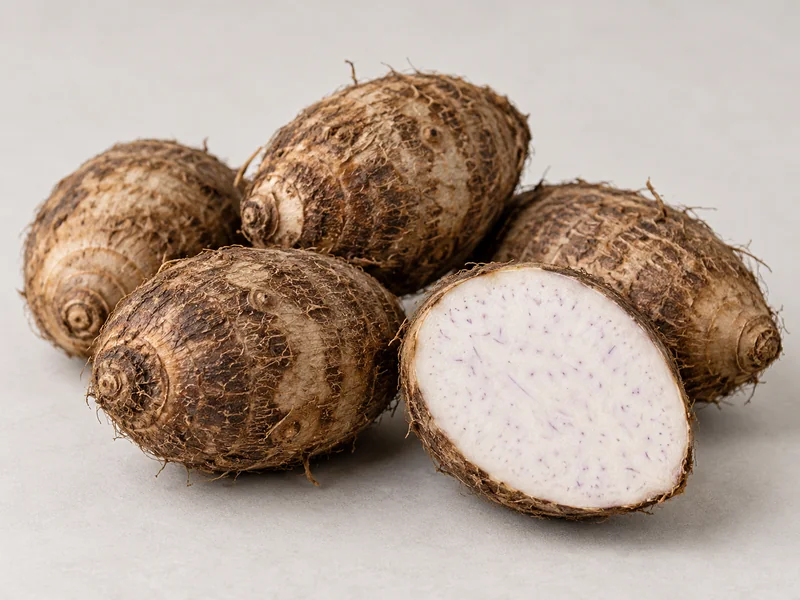
Taro corms specified by botanical identity, type, size, condition and the intended food market.

Taro is traded principally as corms and cormels of Colocasia esculenta, with prepared products requiring separate specifications. Common names vary between markets and can overlap with other starchy crops. The buyer should identify the actual botanical product before discussing size, price or origin. Duara Group reviews inquiries by type, form, quality, packing, volume and destination. Taro crop statistics do not establish true Maranta arrowroot production, a frozen preparation line or the availability of a particular lot suitable for the buyer's food application.

Bulk supply available upon request. Source and supply available upon request.

Illustrative taro product photograph
Pricing Calculator / Build an RFQ

Loading commodity requirements…

Taro buying guide

Corm identity and regional names

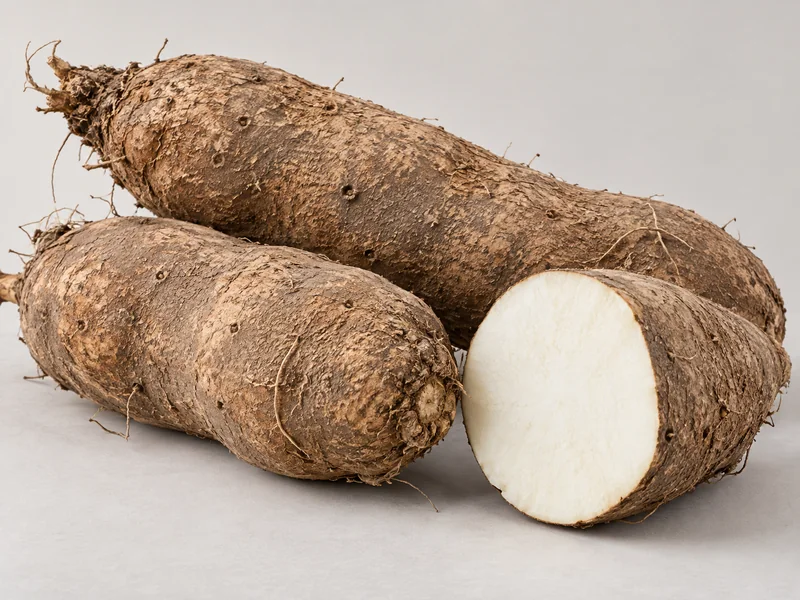
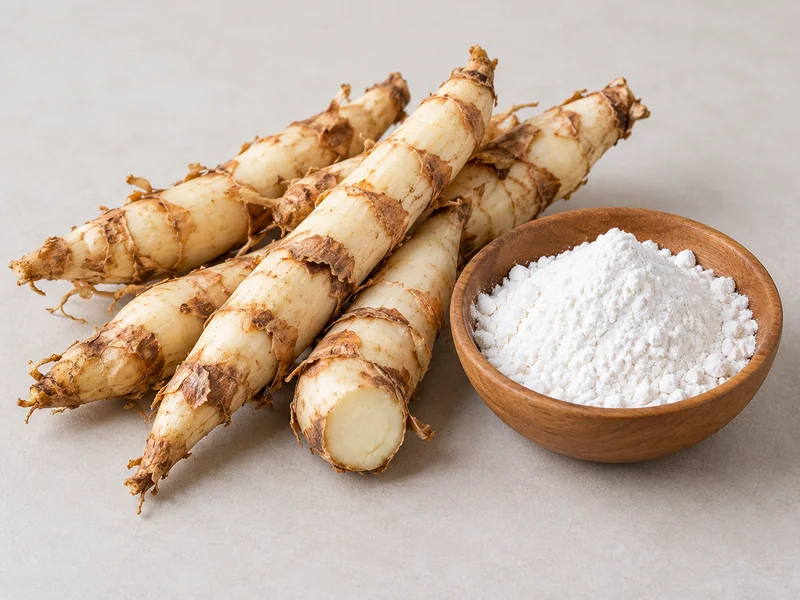
Confirm Colocasia esculenta and the required commercial type rather than assuming every regional arrowroot or cocoyam label means the same crop. True arrowroot, Maranta arundinacea, has a separate page and quotation identity. If the buyer uses a local name, support it with a botanical declaration, photographs and an agreed reference sample. Clarify whether the order concerns larger corms, smaller cormels or a prepared form. Those choices affect grading, packing and the usefulness of a weight-based comparison.

Quality and preparation status

Describe the size range, shape, trimming, cleanliness and acceptable condition of the skin and flesh. Representative checks should consider cuts, soft or deteriorated areas and internal condition, not only exterior appearance. Taro is a food ingredient requiring suitable preparation; no raw ready-to-eat claim is made. If a product is peeled, cut or otherwise prepared, obtain the corresponding process and food-safety information. A fresh-corm grade does not automatically describe a frozen or ready-prepared product.

Commercial applications and samples

Fresh-market buyers should explain the preferred type and presentation for their customers. Kitchens need a product suited to their preparation workflow and receiving capacity. Processors should state whether corms will be peeled, cut, cooked, frozen or made into another ingredient. Any proposed species or type substitution should be tested in the actual use and approved before purchase. A sample establishes a useful reference only when its relationship to the offered commercial lot and grade is clear.

Cleaning, packing and transport

Agree whether the corms will be supplied with a defined cleaning or trimming treatment and how the quoted net weight is measured. Select bags, crates or cartons to support protection, cleanliness and the proposed handling chain. Confirm ventilation, palletisation and loading arrangements with the actual supplier. Processing and packing dates should be available where relevant. Avoid assuming that a container or pack used for another root crop will protect taro equally well throughout a different route or storage period.

Storage and receiving condition

Request handling instructions appropriate to the actual fresh or prepared form. Set arrival-condition checks and agree how internal samples will be inspected. The time from harvest or preparation to the buyer's planned use matters; a country name does not establish remaining shelf life. Document how deterioration, pack damage, temperature issues or weight differences will be recorded. If a supplier offers a shelf-life statement, connect it to the lot, process, packaging and stated conditions rather than treating it as a universal taro characteristic.

Information for bulk taro procurement

Provide botanical identity, commercial type, form, size, quality criteria, cleaning or preparation requirements, pack, quantity and destination. Include any customer standard and define sample or inspection responsibilities. Make local-name clarification part of the inquiry before requesting a price. Duara assesses a proposed source and route against those details. The crop directory is production evidence only and cannot establish supplier approval, documentation, available stock, processing capability or a guaranteed delivery schedule for the required product.

Documented Production by Country

The records below describe taro crop production; not maranta arrowroot production. Quantities are national production statistics for the stated year, not available export quantities or Duara supply capacity. Estimates are labelled; uncorroborated imputed observations are retained internally rather than published as verified production.

These are dated production or manufacturing records, not a list of Duara suppliers or confirmed delivery destinations. The directory covers the evidence verified so far; it does not claim an exhaustive list of all producing countries.

Taro in Barbados

2024 taro production: 87.54 tonnes. FAOSTAT estimate.

Data year: 2024. Evidence checked: 2026-11-01. Food and Agriculture Organization of the United Nations — 2024 production quantities; item, area and flag codes retained
Taro in Benin

2024 taro production: 4,887.07 tonnes. Official national figure in FAOSTAT.

Data year: 2024. Evidence checked: 2026-11-01. Food and Agriculture Organization of the United Nations — 2024 production quantities; item, area and flag codes retained
Taro in Chad

2024 taro production: 143,586 tonnes. Official national figure in FAOSTAT.

Data year: 2024. Evidence checked: 2026-11-01. Food and Agriculture Organization of the United Nations — 2024 production quantities; item, area and flag codes retained

Taro in China

2024 taro production: 1,890,520.4 tonnes. FAOSTAT estimate. Dataset area: China, mainland.

Data year: 2024. Evidence checked: 2026-11-01. Food and Agriculture Organization of the United Nations — 2024 production quantities; item, area and flag codes retained

Taro in Côte d’Ivoire

2024 taro production: 91,185 tonnes. Official national figure in FAOSTAT. Dataset area: Côte d'Ivoire.

Data year: 2024. Evidence checked: 2026-11-01. Food and Agriculture Organization of the United Nations — 2024 production quantities; item, area and flag codes retained

Taro in Dominica

2024 taro production: 22,601.07 tonnes. FAOSTAT estimate.

Data year: 2024. Evidence checked: 2026-11-01. Food and Agriculture Organization of the United Nations — 2024 production quantities; item, area and flag codes retained

Taro in Fiji

2024 taro production: 68,124 tonnes. Official national figure in FAOSTAT.

Data year: 2024. Evidence checked: 2026-11-01. Food and Agriculture Organization of the United Nations — 2024 production quantities; item, area and flag codes retained

Taro in Gabon

2024 taro production: 88,840.95 tonnes. FAOSTAT estimate.

Data year: 2024. Evidence checked: 2026-11-01. Food and Agriculture Organization of the United Nations — 2024 production quantities; item, area and flag codes retained

Taro in Grenada

2024 taro production: 423.28 tonnes. Official national figure in FAOSTAT.

Data year: 2024. Evidence checked: 2026-11-01. Food and Agriculture Organization of the United Nations — 2024 production quantities; item, area and flag codes retained

Taro in Honduras

2024 taro production: 4,247.6 tonnes. FAOSTAT estimate.

Data year: 2024. Evidence checked: 2026-11-01. Food and Agriculture Organization of the United Nations — 2024 production quantities; item, area and flag codes retained

Taro in Lao People's Democratic Republic

2024 taro production: 77,000 tonnes. Official national figure in FAOSTAT.

Data year: 2024. Evidence checked: 2026-11-01. Food and Agriculture Organization of the United Nations — 2024 production quantities; item, area and flag codes retained

Taro in Mauritius

2024 taro production: 2,891.5 tonnes. Official national figure in FAOSTAT.

Data year: 2024. Evidence checked: 2026-11-01. Food and Agriculture Organization of the United Nations — 2024 production quantities; item, area and flag codes retained

Taro in Philippines

2024 taro production: 93,794.89 tonnes. Official national figure in FAOSTAT.

Data year: 2024. Evidence checked: 2026-11-01. Food and Agriculture Organization of the United Nations — 2024 production quantities; item, area and flag codes retained

Taro in Puerto Rico

2024 taro production: 767.05 tonnes. FAOSTAT estimate.

Data year: 2024. Evidence checked: 2026-11-01. Food and Agriculture Organization of the United Nations — 2024 production quantities; item, area and flag codes retained

Taro in Rwanda

2024 taro production: 203,676.06 tonnes. Official national figure in FAOSTAT.

Data year: 2024. Evidence checked: 2026-11-01. Food and Agriculture Organization of the United Nations — 2024 production quantities; item, area and flag codes retained

Taro in Samoa

2024 taro production: 18,737.41 tonnes. FAOSTAT estimate.

Data year: 2024. Evidence checked: 2026-11-01. Food and Agriculture Organization of the United Nations — 2024 production quantities; item, area and flag codes retained

Taro in Sierra Leone

2024 taro production: 2,932.96 tonnes. FAOSTAT estimate.

Data year: 2024. Evidence checked: 2026-11-01. Food and Agriculture Organization of the United Nations — 2024 production quantities; item, area and flag codes retained

Taro in Thailand

2024 taro production: 105,800.39 tonnes. FAOSTAT estimate.

Data year: 2024. Evidence checked: 2026-11-01. Food and Agriculture Organization of the United Nations — 2024 production quantities; item, area and flag codes retained

Taro in Tonga

2024 taro production: 3,526.66 tonnes. FAOSTAT estimate.

Data year: 2024. Evidence checked: 2026-11-01. Food and Agriculture Organization of the United Nations — 2024 production quantities; item, area and flag codes retained

Taro in Trinidad and Tobago

2024 taro production: 3,713 tonnes. Official national figure in FAOSTAT.

Data year: 2024. Evidence checked: 2026-11-01. Food and Agriculture Organization of the United Nations — 2024 production quantities; item, area and flag codes retained

Taro in United States of America

2024 taro production: 1,491.67 tonnes. FAOSTAT estimate.

Data year: 2024. Evidence checked: 2026-11-01. Food and Agriculture Organization of the United Nations — 2024 production quantities; item, area and flag codes retained

Taro in Vanuatu

2024 taro production: 19,320 tonnes. FAOSTAT estimate.

Data year: 2024. Evidence checked: 2026-11-01. Food and Agriculture Organization of the United Nations — 2024 production quantities; item, area and flag codes retained

Need a particular origin? Send your product specification, quantity and destination. Origin, availability, documentation and a workable supply route are confirmed separately for each enquiry.

Supply specification

Grade, origin, packaging and order quantity are agreed per consignment. We do not publish stock or origin claims.

Typically supplied asWhole taro corms, Cormels by specification, Prepared taro inquiries
Grades and varietiesConfirmed on inquiry
PackagingConfirmed on inquiry
Minimum order quantityConfirmed on inquiry
Country of originConfirmed on inquiry
Certification and documentationConfirmed on inquiry

Confirm when you enquire

Tell us the following and we will come back with availability, packaging and a quotation.

Colocasia esculenta identity
Corm or cormel type
Size and weight range
Skin and internal quality
Cleaning and trimming requirement
Food-use and preparation requirements
Packing, quantity and destination

Applications

  • Fresh-root wholesalers
  • Speciality food retailers
  • Hospitality and catering
  • Prepared-food processors

Frequently asked questions

Are taro and true arrowroot duplicates?

No. This page covers Colocasia esculenta corms. True Maranta arundinacea arrowroot is a different product. Regional names can overlap, so the botanical identity should be confirmed.

Can a local name alone define an order?

It may be ambiguous. Add the botanical identity, form, size and preparation requirement, supported by a reference sample or photographs where needed.

Is taro offered as ready to eat?

No such claim is made. The required preparation, processing and food-safety specification must be established for the intended use and actual supplier.

What do the country statistics prove?

They document the taro crop in the stated year. They do not establish a prepared-food operation, a specific variety, an available lot or Duara's ability to supply that origin.

Related products

Fresh Vegetables

Yams

True yams for wholesale and processing, with species, variety, tuber quality and handling specified.

Explore related supply

Ready to source this?

Tell us the specification, quantity and destination and our sourcing team will come back with availability and a quotation.