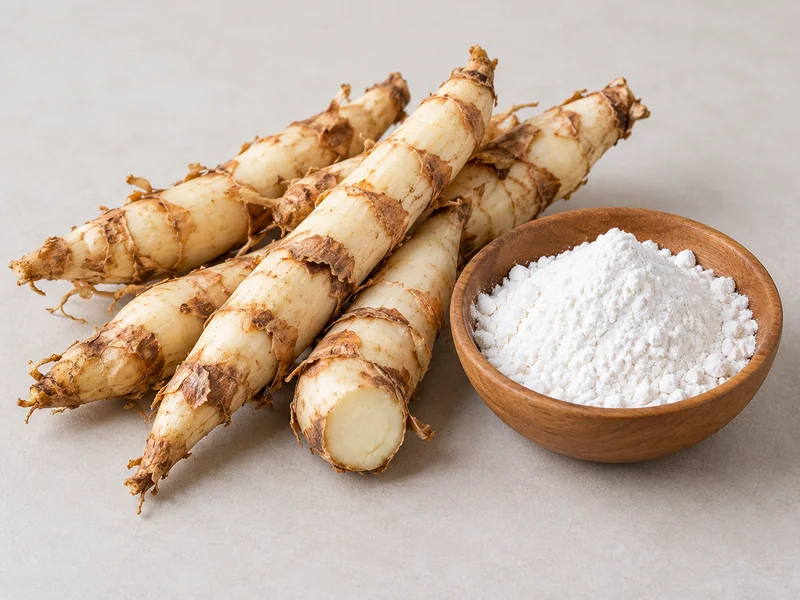
True Maranta arrowroot rhizomes and starch requirements, distinguished from taro and other trade names.
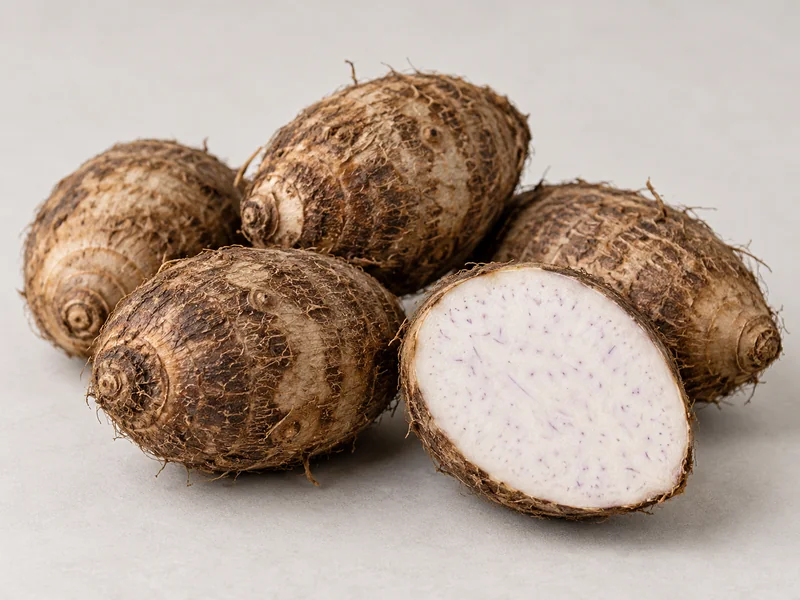
True arrowroot in this buying guide means Maranta arundinacea, a rhizome crop associated with arrowroot starch. The word arrowroot is also used regionally for other plants and starches, so a name alone cannot establish product identity. Taro has a separate canonical page rather than being duplicated here under another trade name. Duara Group reviews the requested botanical source, rhizome or processed form, intended use, quality and destination. A cultivation record is not proof that a country manufactures the buyer's particular starch grade.
Bulk supply available upon request. Source and supply available upon request.
Pricing Calculator / Build an RFQ
Loading commodity requirements…
Indicative Estimate
Indicative estimate only. Prices are subject to change based on current market conditions, product grade and specifications, crop season, availability, freight, taxes, duties, destination, regulations and final supplier confirmation. This is not a binding quotation.
Prepared in your browser. Your request is shared when you send it in WhatsApp.
Arrowroots (Maranta) buying guide
Botanical identity before quotation
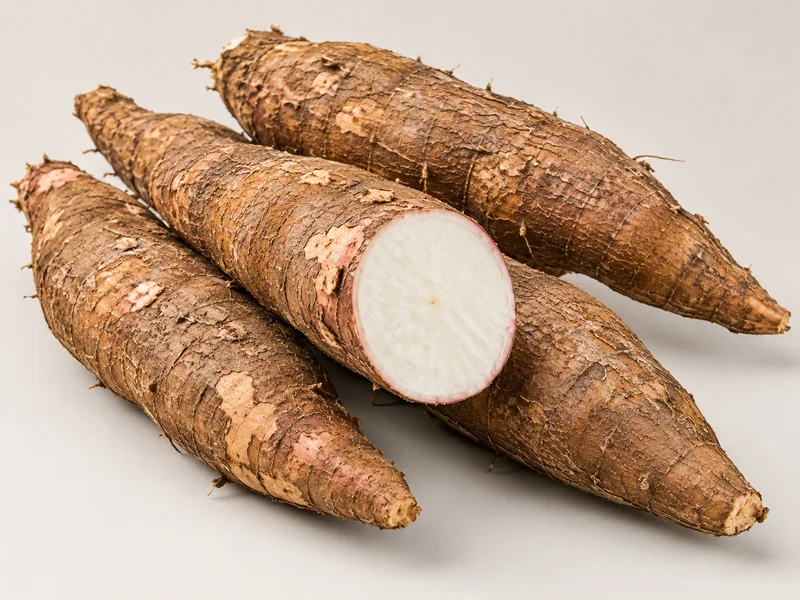
Write Maranta arundinacea where true arrowroot is required and identify whether the order is for rhizomes or separated starch. Do not assume that taro, cassava starch or another material sold under a regional arrowroot name is an acceptable substitute. Obtain an ingredient or botanical declaration and identify the proposed producer. Where the buyer accepts alternatives, their identity and functionality should be reviewed explicitly. This avoids comparing unlike materials on price while overlooking the actual product requested.
Rhizomes and starch are different forms
Fresh rhizomes require a condition and handling specification appropriate to a harvested crop. Dried rhizomes need additional moisture and cleanliness requirements. Separated starch requires evidence for the extraction process, declared source and intended application. Native and modified products should not be combined under an undefined powder description. A country with documented cultivation is not automatically a verified source of industrial starch, and a starch-packaging address is not necessarily the location where the crop was grown or the starch extracted.
Quality and functional requirements
For rhizomes, define maturity, size, cleanliness and tolerances for damage or deterioration. For starch, agree authenticity, physical presentation, moisture, particle characteristics and any relevant compositional, microbiological or functional tests. State the method as well as the acceptance limit. Buyers should evaluate a sample in the intended process rather than assume that the word arrowroot guarantees a particular thickening result. Food and industrial grades require separate approval; no medicinal or infant-food suitability is claimed by this general catalogue page.
Applications and formulation trials
An ingredient buyer should describe the food preparation or manufacturing process and the performance required. A speciality fresh-market buyer needs a clear crop identity and presentation. Industrial users should provide the relevant technical schedule and distinguish raw crop material from a prepared formulation. If the product is being substituted for another starch, record what changes are acceptable and how the trial will be assessed. The source and processing history should remain traceable even when the final material is a visually similar white powder.
Packing, storage and traceability
Choose packaging around the actual form. Rhizomes need protection against handling damage and deterioration, while dry material requires protection against moisture pickup, pests and contamination. Confirm net contents, liner and closure, lot identification and pallet configuration. Ask for harvest, processing or packing dates and handling instructions relevant to the offered lot. Any shelf-life statement must be supported by that form and pack. Avoid transferring a storage claim for dry starch to fresh rhizomes or treating repacking as proof of manufacturing origin.
Preparing a precise arrowroot inquiry
Provide botanical source, form, native or modified status where relevant, end use, required tests, packing, quantity and destination. If the request uses a regional crop name, resolve the identity before the quotation is compared with another product. Attach customer specifications and identify who approves samples and documents. Duara assesses the actual source and route separately. The evidence directory shows only documented production activity and does not promise national availability, a particular starch factory, certificates, stock or a delivery period.
Documented Production by Country
These are documented examples of arrowroots (maranta) cultivation or processing. Named operators are evidence of activity, not Duara partners. Undated statements are labelled as such; no national quantities, certifications or availability are inferred. Global country coverage remains partial.
These are dated production or manufacturing records, not a list of Duara suppliers or confirmed delivery destinations. The directory covers the evidence verified so far; it does not claim an exhaustive list of all producing countries.
Arrowroots (Maranta) in India
Kerala’s Farm Information Bureau describes cultivation of Maranta arundinacea in India, including Kerala, in its April 2024 journal. This is true arrowroot evidence, not taro output or proof of starch manufacture.
radio_button_uncheckedIntended food or industrial use
radio_button_uncheckedNative or modified status for starch
radio_button_uncheckedQuality and authenticity tests
radio_button_uncheckedMoisture and physical requirements
radio_button_uncheckedPacking, quantity and destination
Applications
checkSpeciality root-crop buyers
checkFood ingredient processors
checkStarch procurement
checkBuyer-specified industrial applications
Frequently asked questions
Why is Maranta specified in the page name?
Arrowroot can be an ambiguous trade name. Naming Maranta arundinacea distinguishes true arrowroot from taro, cassava and other botanical materials that may be described similarly in some markets.
Can taro be substituted for Maranta rhizomes?
Not without an explicit change to the buyer's requirement. They are different crops. Use the Taro page if Colocasia esculenta is the product intended.
Does cultivation evidence prove starch extraction?
No. Growing the plant and manufacturing a separated starch are distinct activities. A starch inquiry needs process, source and product evidence for the actual producer.
What should a starch buyer request?
Ask for botanical identity, native or modified status, intended grade, composition and functionality requirements, test methods, process information, pack and lot traceability. Confirm the actual material through an approved sample.