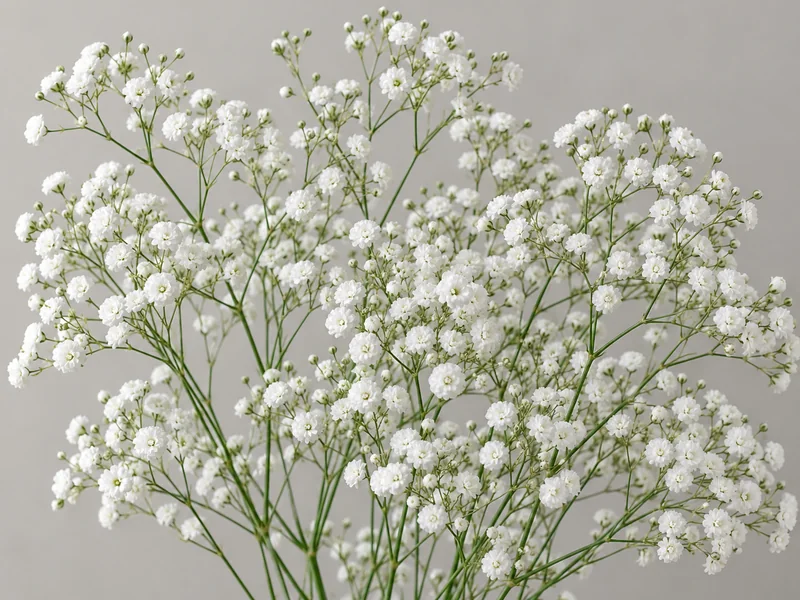
Gypsophila by cultivar, stem and spray presentation, bloom stage, colour treatment, packing and handling.
Gypsophila, often called baby's breath in the floral trade, is used as a branching filler and as a focal material in some bouquet and event designs. Cultivar, spray fullness, bloom presentation and stem grade can change the commercial result, so a general bunch description is insufficient for consistent buying. Duara Group assesses those requirements alongside colour, any treatment, packing and route. The country directory documents verified cultivation rather than a confirmed grower relationship, available stem inventory or a guarantee that every listed origin offers every gypsophila presentation.
Bulk supply available upon request. Source and supply available upon request.
Pricing Calculator / Build an RFQ
Loading commodity requirements…
Indicative Estimate
Indicative estimate only. Prices are subject to change based on current market conditions, product grade and specifications, crop season, availability, freight, taxes, duties, destination, regulations and final supplier confirmation. This is not a binding quotation.
Prepared in your browser. Your request is shared when you send it in WhatsApp.
Gypsophila buying guide
Cultivar and spray presentation
Specify the cultivar or accepted trade type, desired flower presentation and the fullness or branching requirement that matters to the bouquet. A stem-length description alone does not establish how much usable floral material a spray provides. Agree whether the purchase is fresh cut material, dried product or another treated form. A generic baby's-breath name should not substitute for the actual product identity. Samples or actual-lot photographs should be assessed against the buyer's intended design, not treated as proof that every future bunch has identical branching or bloom density.
Bunching, counts and usable material
Clarify the stem-count or other declared bunching basis and how it relates to the quoted pack and net presentation. A visually large bunch can differ in stem number, branching and usable spray from another offer. Define stem length, bloom condition, opening stage and acceptable defects in the actual specification. A bouquet manufacturer should assess preparation needs and usable material against its recipe. Do not infer a fixed yield from a country-production statement or from an illustration. Agree the inspection and acceptance basis for the commercial pack before comparing prices.
Natural, coloured and processed forms
State whether natural white material is required or whether a declared colour treatment is acceptable. If dyed, dried or otherwise processed gypsophila is requested, obtain a separate description of the process, handling and destination suitability. Fresh-flower cultivation does not prove local manufacture of treated or dried products. Colour photographs can be affected by lighting and should not replace an agreed colour reference and approval process. Any change in treatment, cultivar or presentation needs buyer approval where it affects the finished bouquet, customer specification or handling requirements.
Packing delicate branching sprays
Confirm sleeves, bunch support, box dimensions, declared counts and the arrangement intended to reduce crushing, tangling and bloom damage. The branching structure should be considered when planning loading, transfers and unpacking. Excessive compression or inappropriate moisture exposure can affect the received presentation, so assess the actual pack for the proposed route. Any hydration or postharvest treatment should be declared and reviewed for the product and destination. This guide does not prescribe chemical treatments or imply that a particular treatment, certification or packing system is already provided through Duara.
Handling and arrival quality
Obtain the actual product's storage and transport instructions, and review packing timing, temperature management, transfer points and receiving facilities together. Fresh, dried and treated material need different plans. Agree how arrival stage, bloom damage, discolouration and other defects will be assessed. Ask for freshness or vase-life evidence under defined conditions rather than promising a universal duration. Destination plant-health and import requirements must be assessed for the actual origin and product. A documented growing country does not establish that every offered consignment is eligible for shipment to every destination.
Preparing a gypsophila procurement schedule
Send cultivar or accepted type, stem length, spray fullness, bloom presentation, opening stage, natural or treated colour, bunching basis, pack, quantity and destination. Include the receiving period, bouquet or event requirements, sample approval and substitution rules. Add plant-health and customer-document needs. Duara assesses the proposed grower, product and route separately. Country records describe documented production activity; they do not promise stock, a supplier partnership, universal grade definitions, guaranteed lead times or a fixed vase-life result. Confirm the actual commercial specification before approval.
Documented Production by Country
These are documented examples of gypsophila cultivation or processing. Named operators are evidence of activity, not Duara partners. Undated statements are labelled as such; no national quantities, certifications or availability are inferred. Global country coverage remains partial.
These are dated production or manufacturing records, not a list of Duara suppliers or confirmed delivery destinations. The directory covers the evidence verified so far; it does not claim an exhaustive list of all producing countries.
Gypsophila in Ecuador
Esmeralda explicitly includes Gypsophila among flowers grown on its Ecuador farms. The separate Colombia flower list is not used to infer Gypsophila production there.