Patient Monitoring Equipment procurement guide
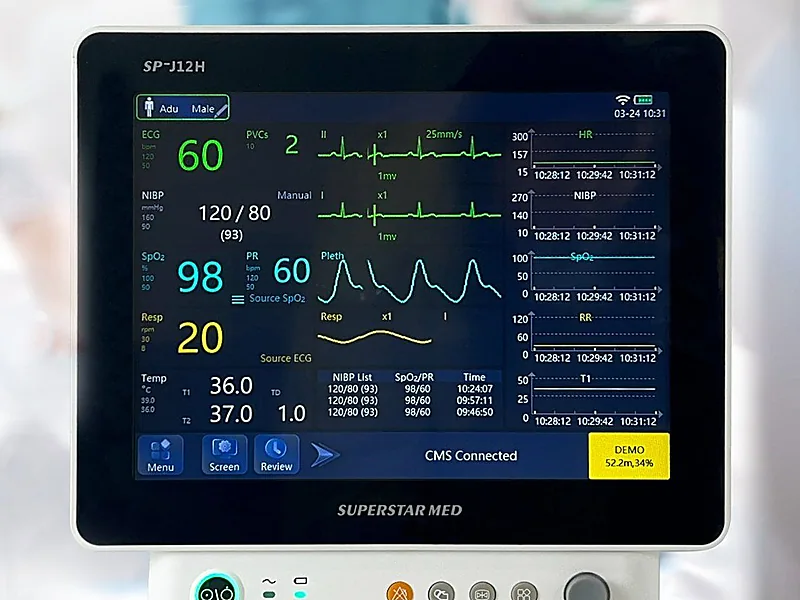
Patient monitors track parameters such as heart rate, blood pressure, oxygen saturation, respiration and temperature. Configurations range from single-parameter spot-check units to networked multi-parameter systems for critical care. Medical procurement should be scoped around the clinical department, patient group, workflow and facility services, followed by source-specific regulatory and technical review.
Clinical use and configuration
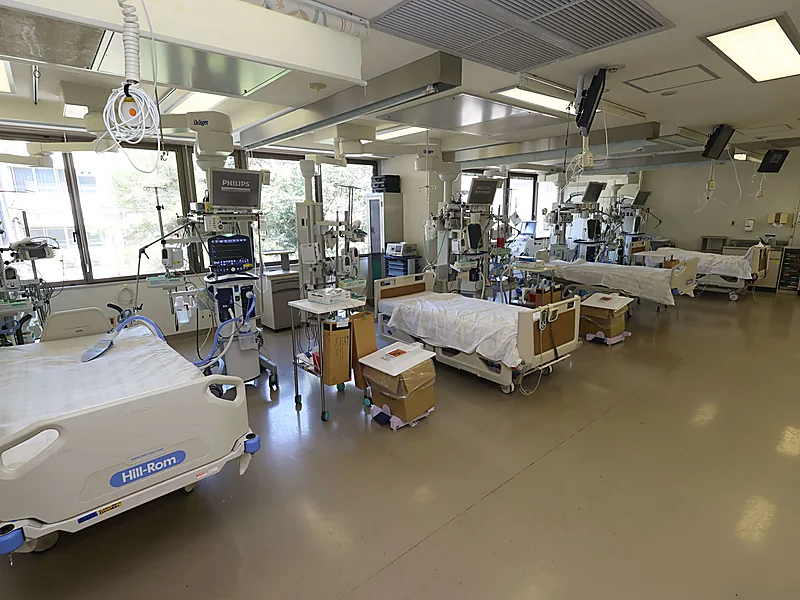
Applications include Intensive and critical care units, Operating theatres and recovery, Emergency and triage departments and General ward observation. Confirm the procedures, workload, users and care setting so the quoted configuration and accessories match the actual clinical workflow.
Technical and regulatory review
Compare proposals against Parameters to be monitored, Number of beds or units required, Central station or networking requirement, Battery and transport requirements and Accessory and consumable requirements. Request manufacturer documentation for the quoted model, applicable market approvals, manuals and any calibration, electrical-safety or quality records required by the buyer or destination authority.
Installation, training and support
Define accessories and initial consumables, power and environmental services, room or bench readiness, installation, commissioning, user training, warranty expectations, preventive maintenance, spare parts and safe shipping or storage requirements.
Information to include in your quotation request
Provide department and intended use, patient group where relevant, Parameters to be monitored, Number of beds or units required, Central station or networking requirement, Battery and transport requirements and Accessory and consumable requirements, quantity, destination, accessories/consumables, facility services, installation and training scope, support expectations and required regulatory or tender documents.