AgricultureFresh Fruits

Kiwifruit (Kiwi)

Green and buyer-specified gold kiwifruit, assessed by variety, maturity, firmness, size and packing.

Kiwifruit, often called kiwi, is traded for fresh retail, food service and processing. Buyers should distinguish fruit type and variety from the condition needed at sale: firm fruit for distribution and fruit intended for near-term eating require different planning. Green and gold-fleshed products should not be substituted without approval. Duara Group assesses the buyer's type, size, maturity, packing, quantity and destination requirements. National kiwifruit production does not identify an available cultivar, a branded programme, a supplier relationship or the handling history of a particular lot.

Bulk supply available upon request. Source and supply available upon request.

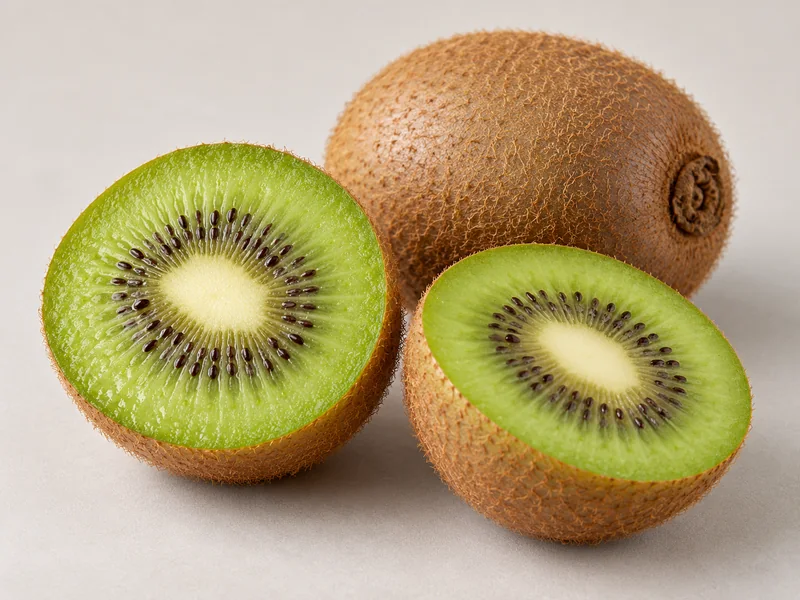
Illustrative kiwifruit (kiwi) product photograph
Pricing Calculator / Build an RFQ

Loading commodity requirements…

Kiwifruit (Kiwi) buying guide

Fruit type, variety and substitutions

Identify green or gold fruit and any named cultivar or authorised branded programme required by the customer. A generic kiwifruit inquiry should not be interpreted as access to every proprietary variety or brand. State whether alternatives are acceptable and how they will be approved. For a processing requirement, describe the intended finished preparation and whether the fruit will be peeled or used in another form. Keep product identity separate from the country in which the crop is recorded.

Maturity and firmness specification

Agree the condition expected at dispatch and at the delivery point. Firmness, maturity and appearance should be assessed together using an agreed sampling method. Record the size or weight basis, skin condition, bruising and internal-quality requirements. If soluble solids or another test is required, include the method and acceptance limits in the buyer's schedule. The specification should describe a measurable product rather than relying on a label such as ripe, premium or export quality without further definition.

Commercial use and customer expectations

Retail programmes may need consistency of count, labelling and expected eating condition across repeated deliveries. Hospitality buyers should explain preparation dates and portioning needs. A processor should identify the recipe, preparation method and any restrictions on mixing fruit types. Assess samples in that actual use. A fruit that meets a count specification can still be unsuitable for the intended handling or eating window, so discuss the downstream requirement rather than comparing offers solely on carton contents.

Packing and ethylene-sensitive handling

Kiwifruit handling requires particular attention to unwanted ripening and softening. Obtain a transport and storage plan that addresses ethylene exposure, cooling and segregation where relevant. Confirm tray or carton layout, net contents, ventilation, pallet configuration and label requirements. The same dispatch firmness may not be appropriate for every route. A proposed ripening or conditioning service should be identified explicitly rather than assumed to be included with a fruit quotation or inferred from a national production figure.

Receiving, rotation and shelf-life evidence

Request packing dates and relevant storage information for the actual lot. Define arrival checks for firmness, skin defects, damage and internal condition, and establish how samples will be taken. A generic statement about storage potential is not a guarantee of remaining shelf life after transport. Plan the receiving store and the time allowed for onward distribution or preparation. Agree how temperature or handling records will be reviewed if the fruit arrives outside the specified condition.

Information needed for a quotation

Send the fruit type, variety or acceptable alternative, size basis, maturity and firmness targets, quality limits, pack, volume and destination. Identify the required receiving period and whether the buyer has ripening facilities. Provide any customer label or documentary requirements and the proposed sample-approval process. Duara reviews current source and route feasibility against those details. No fixed variety availability, certificate, minimum order, delivery period or branded supply authorisation is implied by this product page.

Documented Production by Country

The records below describe kiwifruit crop production; no flesh-colour or cultivar-specific quantity inferred. Quantities are national production statistics for the stated year, not available export quantities or Duara supply capacity. Estimates are labelled; uncorroborated imputed observations are retained internally rather than published as verified production.

These are dated production or manufacturing records, not a list of Duara suppliers or confirmed delivery destinations. The directory covers the evidence verified so far; it does not claim an exhaustive list of all producing countries.

Kiwifruit (Kiwi) in Australia

2024 kiwi fruit production: 4,310 tonnes. Official national figure in FAOSTAT.

Data year: 2024. Evidence checked: 2026-11-01. Food and Agriculture Organization of the United Nations — 2024 production quantities; item, area and flag codes retained
Kiwifruit (Kiwi) in Azerbaijan

2024 kiwi fruit production: 684.1 tonnes. Official national figure in FAOSTAT.

Data year: 2024. Evidence checked: 2026-11-01. Food and Agriculture Organization of the United Nations — 2024 production quantities; item, area and flag codes retained
Kiwifruit (Kiwi) in Bhutan

2024 kiwi fruit production: 35.69 tonnes. Official national figure in FAOSTAT.

Data year: 2024. Evidence checked: 2026-11-01. Food and Agriculture Organization of the United Nations — 2024 production quantities; item, area and flag codes retained
Kiwifruit (Kiwi) in Canada

2024 kiwi fruit production: 27.5 tonnes. FAOSTAT estimate.

Data year: 2024. Evidence checked: 2026-11-01. Food and Agriculture Organization of the United Nations — 2024 production quantities; item, area and flag codes retained

Kiwifruit (Kiwi) in China

2024 kiwi fruit production: 2,153,479.87 tonnes. FAOSTAT estimate. Dataset area: China, mainland.

Data year: 2024. Evidence checked: 2026-11-01. Food and Agriculture Organization of the United Nations — 2024 production quantities; item, area and flag codes retained

Kiwifruit (Kiwi) in Cyprus

2024 kiwi fruit production: 130 tonnes. Official national figure in FAOSTAT.

Data year: 2024. Evidence checked: 2026-11-01. Food and Agriculture Organization of the United Nations — 2024 production quantities; item, area and flag codes retained

Kiwifruit (Kiwi) in France

2024 kiwi fruit production: 50,760 tonnes. Official national figure in FAOSTAT.

Data year: 2024. Evidence checked: 2026-11-01. Food and Agriculture Organization of the United Nations — 2024 production quantities; item, area and flag codes retained

Kiwifruit (Kiwi) in Georgia

2024 kiwi fruit production: 900 tonnes. Official national figure in FAOSTAT.

Data year: 2024. Evidence checked: 2026-11-01. Food and Agriculture Organization of the United Nations — 2024 production quantities; item, area and flag codes retained

Kiwifruit (Kiwi) in Greece

2024 kiwi fruit production: 342,330 tonnes. Official national figure in FAOSTAT.

Data year: 2024. Evidence checked: 2026-11-01. Food and Agriculture Organization of the United Nations — 2024 production quantities; item, area and flag codes retained

Kiwifruit (Kiwi) in India

2024 kiwi fruit production: 17,330.07 tonnes. Official national figure in FAOSTAT.

Data year: 2024. Evidence checked: 2026-11-01. Food and Agriculture Organization of the United Nations — 2024 production quantities; item, area and flag codes retained

Kiwifruit (Kiwi) in Iran (Islamic Republic of)

2024 kiwi fruit production: 294,658.93 tonnes. FAOSTAT estimate.

Data year: 2024. Evidence checked: 2026-11-01. Food and Agriculture Organization of the United Nations — 2024 production quantities; item, area and flag codes retained

Kiwifruit (Kiwi) in Israel

2024 kiwi fruit production: 11,007 tonnes. Official national figure in FAOSTAT.

Data year: 2024. Evidence checked: 2026-11-01. Food and Agriculture Organization of the United Nations — 2024 production quantities; item, area and flag codes retained

Kiwifruit (Kiwi) in Italy

2024 kiwi fruit production: 463,910 tonnes. Official national figure in FAOSTAT.

Data year: 2024. Evidence checked: 2026-11-01. Food and Agriculture Organization of the United Nations — 2024 production quantities; item, area and flag codes retained

Kiwifruit (Kiwi) in Kyrgyzstan

2024 kiwi fruit production: 419.5 tonnes. FAOSTAT estimate.

Data year: 2024. Evidence checked: 2026-11-01. Food and Agriculture Organization of the United Nations — 2024 production quantities; item, area and flag codes retained

Kiwifruit (Kiwi) in Portugal

2024 kiwi fruit production: 31,320 tonnes. Official national figure in FAOSTAT.

Data year: 2024. Evidence checked: 2026-11-01. Food and Agriculture Organization of the United Nations — 2024 production quantities; item, area and flag codes retained

Kiwifruit (Kiwi) in Slovenia

2024 kiwi fruit production: 190 tonnes. Official national figure in FAOSTAT.

Data year: 2024. Evidence checked: 2026-11-01. Food and Agriculture Organization of the United Nations — 2024 production quantities; item, area and flag codes retained

Kiwifruit (Kiwi) in Spain

2024 kiwi fruit production: 29,640 tonnes. Official national figure in FAOSTAT.

Data year: 2024. Evidence checked: 2026-11-01. Food and Agriculture Organization of the United Nations — 2024 production quantities; item, area and flag codes retained

Kiwifruit (Kiwi) in Switzerland

2024 kiwi fruit production: 391 tonnes. Official national figure in FAOSTAT.

Data year: 2024. Evidence checked: 2026-11-01. Food and Agriculture Organization of the United Nations — 2024 production quantities; item, area and flag codes retained

Kiwifruit (Kiwi) in Tunisia

2024 kiwi fruit production: 35.25 tonnes. FAOSTAT estimate.

Data year: 2024. Evidence checked: 2026-11-01. Food and Agriculture Organization of the United Nations — 2024 production quantities; item, area and flag codes retained

Kiwifruit (Kiwi) in Türkiye

2024 kiwi fruit production: 92,249 tonnes. Official national figure in FAOSTAT.

Data year: 2024. Evidence checked: 2026-11-01. Food and Agriculture Organization of the United Nations — 2024 production quantities; item, area and flag codes retained

Kiwifruit (Kiwi) in United States of America

2024 kiwi fruit production: 32,110 tonnes. Official national figure in FAOSTAT.

Data year: 2024. Evidence checked: 2026-11-01. Food and Agriculture Organization of the United Nations — 2024 production quantities; item, area and flag codes retained

Need a particular origin? Send your product specification, quantity and destination. Origin, availability, documentation and a workable supply route are confirmed separately for each enquiry.

Supply specification

Grade, origin, packaging and order quantity are agreed per consignment. We do not publish stock or origin claims.

Typically supplied asWhole fresh green kiwifruit, Gold kiwifruit by specification, Tray or count-packed fruit
Grades and varietiesConfirmed on inquiry
PackagingConfirmed on inquiry
Minimum order quantityConfirmed on inquiry
Country of originConfirmed on inquiry
Certification and documentationConfirmed on inquiry

Confirm when you enquire

Tell us the following and we will come back with availability, packaging and a quotation.

Green or gold type
Named variety if required
Size, weight or carton count
Firmness and maturity
Defect tolerances
Net weight and packing
Ripening and receiving plan

Applications

  • Fruit importers and wholesalers
  • Retail programmes
  • Hotels and catering
  • Fruit-preparation processors

Frequently asked questions

Are kiwi and kiwifruit different products?

In this buying context they are alternative names for kiwifruit. They share one canonical page and quotation identity rather than creating duplicate pages for the two names.

Can green and gold fruit be substituted?

Only with buyer approval. Identify the type and variety, size, maturity and intended use. A country-level crop figure does not establish the availability of a particular cultivar or branded programme.

Why discuss ethylene exposure?

Unwanted exposure can affect fruit softening and the intended receiving condition. The proposed supplier and logistics team should agree a handling plan appropriate to the fruit, route and desired eating window.

What is the best way to compare kiwifruit offers?

Use the same type, variety requirements, size or count basis, firmness target, grade, net pack and delivery point. Include any ripening, inspection and handling services in the comparison.

Related products

Explore related supply

Ready to source this?

Tell us the specification, quantity and destination and our sourcing team will come back with availability and a quotation.