Drill Rigs procurement guide
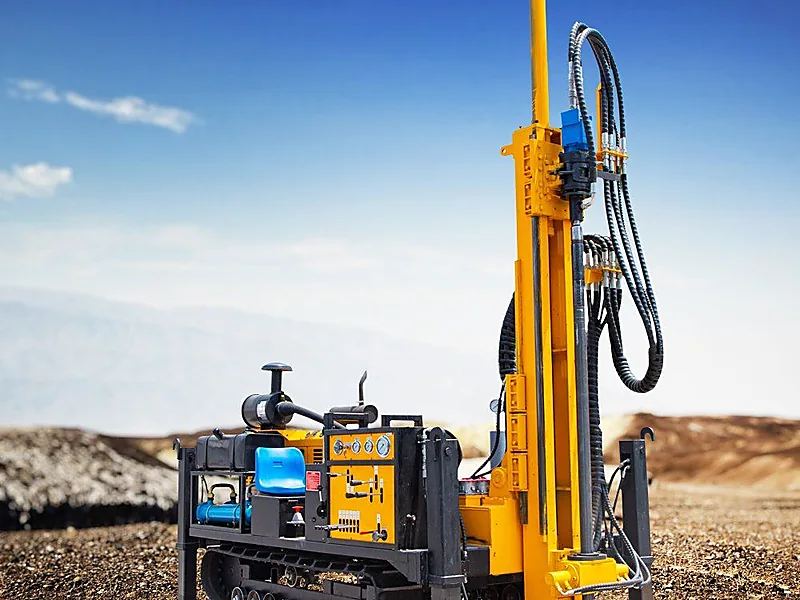
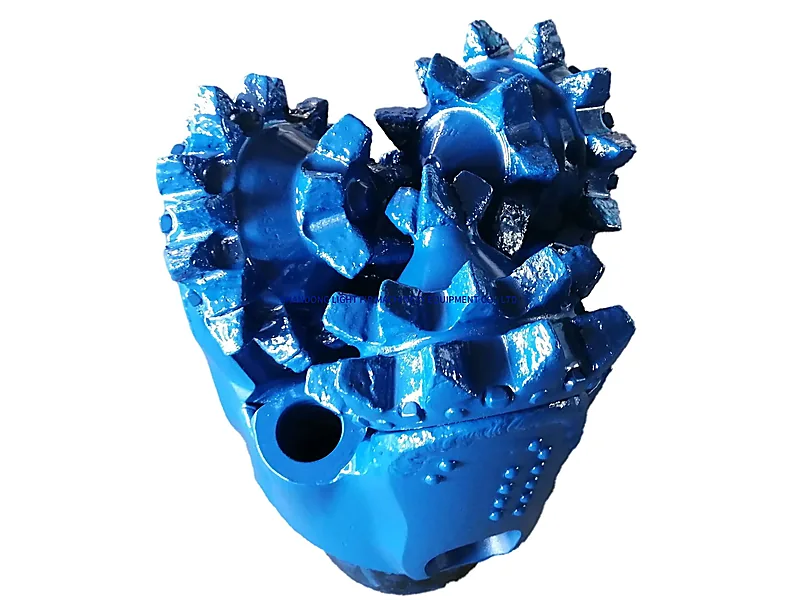
Drill rigs are specified against hole diameter, target depth and the drilling method used, whether rotary, percussive, diamond core or reverse circulation. Mobility and site access also affect selection. Machinery should be selected from the duty, material or process, required output and operating environment—not from the product name alone.
Duty, output and operating context
The listed applications are Exploration and resource definition, Blast hole and production drilling, Grade control drilling and Geotechnical and water bore drilling. Describe the primary duty, feed or load, operating hours, site conditions and upstream/downstream equipment so capacity is assessed in context.
Configuration and acceptance
Compare configurations against Drilling method required, Target hole diameter and depth, Mounting: track, truck or skid, Site access and terrain and Power and compressed air requirements. Ask the proposed manufacturer to document the selected model, performance basis, included controls and accessories, and the inspection or acceptance tests required for that project.
Delivery, commissioning and lifecycle support
Confirm utilities, voltage/frequency or fuel where relevant, packed dimensions and weights, foundations, lifting and site access, installation, commissioning, operator handover, initial wear parts, recommended spares and maintenance responsibilities.
Information to include in your quotation request
Send the material/process and duty, Drilling method required, Target hole diameter and depth, Mounting: track, truck or skid, Site access and terrain and Power and compressed air requirements, target output, operating hours, utilities, site and environmental conditions, quantity, destination, installation/commissioning scope and support needs.